


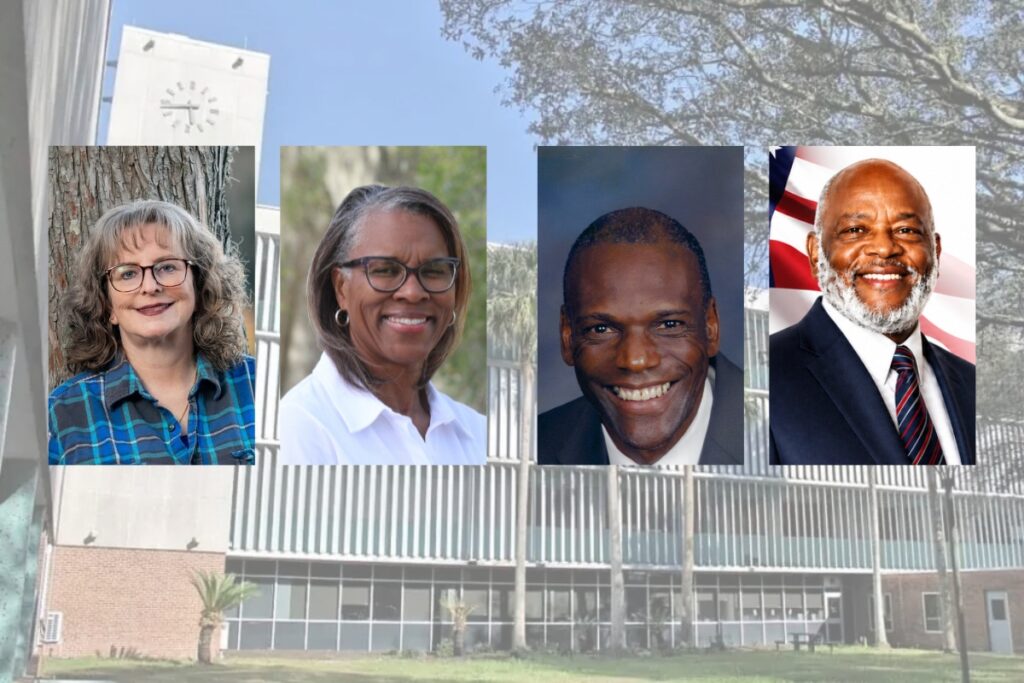
- Four Democratic candidates are competing for the Alachua County Commission District 2 seat vacated by Marihelen Wheeler, decided in an August 18 universal primary.
- Candidates emphasize managing growth responsibly while ensuring infrastructure, housing, and environmental protection align with community needs.
- All candidates advocate transparency and fiscal responsibility to prepare for potential budget impacts from the November homestead tax exemption vote.
Alachua County Commissioner Marihelen Wheeler announced early this year that she would not seek re-election for District 2 (Northwest Gainesville and Alachua County).
Candidates lined up to take Wheeler’s seat, but of the seven who initially filed, only four candidates will make it onto the ballot after the qualifying period.
The race includes an active school board member, a former High Springs mayor, an active county employee and a former county employee. Wheeler was scheduled to serve on the canvassing board, but she withdrew in order to endorse Donna Bradbrook to take her seat.
Because each of the candidates is part of the Democratic Party, the race will be determined at the August 18 election as a universal primary.
Mainstreet Daily News provided each of the candidates for office with the same questions. We’ve run the answers below as received. The county’s District 4 race will come in a future article.
We will begin with a short biography of each candidate followed by the questions and answers.
Alachua County District 2
Donna Bradbrook
- Occupation: I am a division/project manager for the Alachua County Commission. I’ve managed countywide projects, such as audits, performance reporting to ensure transparency, and the Alachua County Citizens Academy.
- Previous experience in elected office: I have worked for and with elected officials successfully over my 35-year career. Though I’ve never held elective office, my work in government has taught me what works, what doesn’t, and how to fix it.
- Public service other than elected office: I have worked with the Alachua County Commission for the past 20 years. I’ve also worked for Broward County, the Palm Beach County Sheriff, and the Palm Beach County Clerk and Comptroller’s Office.
Tina Certain
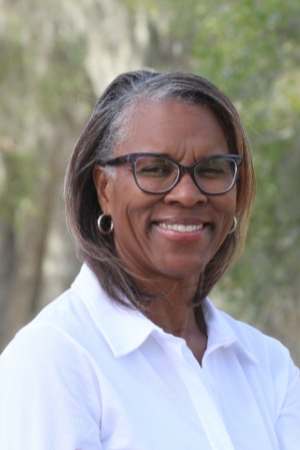
- Occupation: Certified Management Accountant and elected member of the Alachua County School Board. I also spent 23 years working as an Accountant with Gainesville Regional Utilities.
- Previous experience in elected office: I have served for eight years on the Alachua County School Board, where I’ve helped oversee a large public budget, set policy, and make difficult decisions in public. I’ve also served for eight years as the school board member (statutory member) on the Children’s Trust of Alachua County (CTAC), a voter-approved children’s services council where I helped oversee a large public budget, set policy, and make difficult decisions in public. Throughout my service, I’ve worked to strengthen public education, improve transparency, support teachers and students, and ensure resources reach the communities that need them most.
- Public service other than elected office: My commitment to public service started long before I held elected office. I volunteered in Title I schools, where I saw firsthand how housing, transportation, and economic opportunity affect children’s success. I was also a Girl Scout leader and adult trainer. I’ve also served as President and member of the Executive Committee of the Florida School Boards Association. I serve on the City of Gainesville and City of Alachua Planning Boards, the United Way Community Investment Committee, and other community organizations focused on improving opportunities for local families.
Charlie Jackson
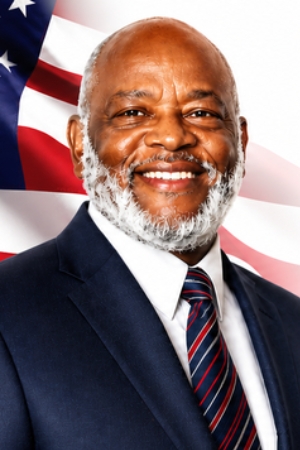
- Occupation: Retired and serving as a consultant.
- Previous experience in elected office: Served in leadership roles in several non-profit, civic, social and fraternal organizations.
- Public service other than elected office: For more than 25 years, I have led complex public infrastructure projects, facilities, and operations serving communities across the nation and Alachua County. As Regional Facilities Manager and Director of Operations for AME Services, I managed maintenance for more than 450 FedEx facilities in over 25 states, 70 New Orleans public schools, and two international airports. As Alachua County Facilities Manager and Director (2001–2022), I implemented energy and water conservation programs that saved taxpayers millions, including lighting upgrades saving over $250,000 annually and jail improvements reducing water use by more than 17 million gallons and over $500,000 in yearly utility costs. I successfully delivered more than 300 capital improvement projects totaling over $140 million on time and under budget, including Alachua County Criminal Courthouse, (4) fire stations, Josiah T Walls Expansion, Construction of I-Pod at the County Jail and Kanapaha Veterans Freedom Center, SWAG Resource and Health Clinics, and Florida’s first GREEN Fire Rescue Station. During COVID-19, I secured critical supplies and kept County facilities safely operating so essential services never stopped.
Byran Williams
- Occupation: My occupation is pastor at Mount Carmel United Methodist Church in High Springs, Florida. 28 years as pastor.
- Previous experience in elected office: I have 20 years of experience in elected offices. I am the former Mayor, Vice Mayor, and Commissioner for the City of High Springs.
- Public service other than elected office: President of the A.L. Mebane High School Alumni Association, Alachua, Florida. Founder and president of the Douglass Historical School Society, High Springs, FL.
What do you hope to accomplish as part of the County Commission?
Bradbrook: I will focus on keeping local control local against Tallahassee’s overreach, while supporting conservation and affordability. I believe we can move Alachua County forward responsibly, transparently, effectively, and with everyone at the table.
Certain: I want to make Alachua County a place where working families, seniors, and young people can continue to afford to live and build their future. My priorities are lowering the cost of living by expanding attainable housing, planning growth so roads, infrastructure, and public services keep pace, and protecting our water, conservation lands, and neighborhoods. My years in public finance and on the School Board taught me that every budget reflects our values. I want the county government to make thoughtful investments, spend taxpayer dollars responsibly, and deliver results that improve everyday life for every community in Alachua County.
Jackson: I hope to accomplish my three-point plan: 1.) Putting people first by funding programs that directly support citizens; expanding healthcare access for veterans, caregivers, and first responders; creating jobs; improving rural public transportation; and promoting balanced growth across Alachua County. 2.) Providing safe communities by fixing unsafe roads; updating environmental policies; implementing gun control measures; and creating storm-ready community centers stocked with emergency supplies that can serve as shelters during disasters. 3.) Protecting taxpayers’ money by limiting tax increases and ensuring Alachua County is prepared to provide essential services if voters approve Senate Bill 4F in November 2026.
Williams: I hope to accomplish repairing roads and improve transportation by prioritizing road maintenance, traffic flow, transit access, and safer connections between communities. Expand affordable and workforce housing so first responders, service workers, teachers, seniors, and young families can afford to live in the county. Support responsible growth by guiding development through the Comprehensive Plan so infrastructure, housing, roads, and environmental protection are balanced. Reduce tax pressure while protecting core services through efficient budgeting, grant funding, and long-term financial planning. Invest in youth, public health, behavioral health, and re-entry programs to reduce long-term costs and strengthen communities.
What recent votes from the County Commission have you disagreed with, if any, and why?
Certain: I have concerns about county decisions that have approved development before there was sufficient confidence that infrastructure and public services would keep pace. Growth is inevitable, but taxpayers should not be left paying to catch up after roads become congested, drainage problems emerge, or public services are stretched too thin.
My experience on the School Board taught me that planning ahead is always less expensive than reacting later. When we approved new schools or expanded programs, we had to think about staffing, transportation, and long-term operating costs. I believe the County Commission should apply that same discipline to land-use decisions by ensuring infrastructure, environmental protections, and public services are planned alongside growth. County government should be a partner in responsible development, but it should never become a rubber stamp.
Jackson: At the May 5, 2026, County Commission meeting, the Commission discussed the Gainesville/Alachua Immigrant Safety and Inclusion (GINI) Blueprint and voted to delay action until the fall. In summary, the Commission agreed to: (1) announce opposition to ICE offices in Gainesville or Alachua County; (2) reaffirm its commitment to immigrant safety and inclusion; (3) encourage the Gainesville Police Department to continue serving the community, public safety, and its department by not signing the 287(g) agreement; (4) speak out against what it described as the discriminatory and destructive arrest of neighbors; and (5) develop policies requiring ICE officials operating within the county to display identification showing their name and federal affiliation and remain unmasked, with no secret policing. I disagree with delaying this matter because America has established rules, regulations, and laws governing citizenship, and those laws should be enforced consistently at the federal, state, and local levels.
Williams:
Bradbrook: As a public servant working for the County, it would not be appropriate to answer this question. No matter if I personally agree, or disagree, once a decision is made, whether that’s a 5-0 vote or a 3-2 vote, the board speaks as one and the staff are expected to implement the policy direction.
How should Alachua County prepare for the November homestead tax exemption vote?
Jackson: As one of five Alachua County Commissioners facing potential budget cuts from the November homestead tax exemption vote, I would draw on more than 21 years of my management and budget-cutting experience in the Alachua County Facilities Department, having been manager and director, and recommend acting immediately. I would: (a) analyze the financial impact and keep citizens informed; (b) reduce non-essential spending immediately; (c) consider temporary hiring freezes and pause pay increases; (d) identify, reduce, or eliminate nonessential services; (e) prioritize capital improvement projects and defer those that reduce General Fund costs; (f) direct staff to prepare a budget impact statement detailing Senate Bill 4F’s effects and how essential services would continue if approved; and (g) work with citizens, stakeholders, and County leadership to assess service impacts from reduced property tax revenue while empowering employees to develop innovative, cost-effective ways to maintain services with fewer resources.
Williams: Alachua County Commission should prepare for the November homestead tax exemption vote by publishing clear and nonpartisan voter explainers. Explain that the amendment affects the county and cities. Use examples for homeowners, renters, businesses, and municipalities. Coordinate with municipalities. Gainesville, Alachua, High Springs, Newberry, Archer, Hawthorne, Waldo. Micanopy and other local governments should share assumptions and avoid conflicting messages. Having joint town hall meetings would help residents understand how impacts vary by city and unincorporated area. Show residents a facing tax calculator. Use sample assessed values 200,000, 300,000, 400,000, and 600,000 to show what homeowners might save and what local governments might lose. Make it truly clear that individual savings depend on assessed value, Save Our Homes status, millage rates, and exemption.
Bradbrook: In the event the amendment passes, the County must be prepared to find new funding sources. The County must also identify programs and services that can be cut or reduced in a way that minimizes pain. But if this passes, there’s no way to completely avoid reducing the quantity and quality of services our citizens enjoy.
Luckily, I know how to do this. Over the years, I’ve worked with all departments to identify programs and services at every level of Alachua County. I’ve also worked extensively to identify unfunded state mandates to determine the minimum level of service required by the law to ensure the County doesn’t violate the existing laws.
Certain: The county should prepare by providing residents with clear, factual information about what the proposal could mean for homeowners, renters, local governments, and the services people rely on every day. If approved, changes to property tax revenues could affect funding for public safety, roads, parks, libraries, and other essential county services.
As a Certified Management Accountant and someone who has spent years making public budget decisions, I believe transparency is essential. Residents deserve to understand the tradeoffs before they vote. At the same time, county leaders should begin evaluating different budget scenarios, so we’re prepared regardless of the outcome. Responsible government means planning ahead instead of waiting until a financial challenge becomes a crisis.
What considerations should guide the county’s development policy in the coming years?
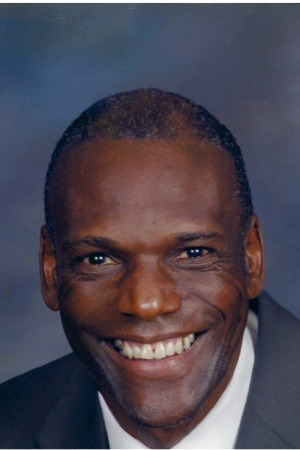
Williams: Prioritize development inside or near the Urban Cluster rather than encouraging scattered rural sprawl. Preserve farms, wetlands, spring sheds, conservation lands, and groundwater quality. Support a wide range of housing types, including workforce housing, apartments, townhomes, accessory units, and senior housing. Align new development with road capacity, transit access, bike/pedestrian safety, and maintenance needs. Approve major projects only when schools, utilities, fire-rescue, stormwater, roads, and parks can support them. Address flooding, heat, stormwater, tree canopy, emergency access, and long-term environmental risk. Support job growth and tax-based expansion while protecting rural communities, historic communities, and neighborhood stability. To make sure to include residents early in decisions about density, conservation, transportation, and growth priorities.
Bradbrook: Alachua County has already implemented many cutting-edge development policies. However, we can always do better. For example, I would like to see increased focus on higher density Transit Oriented Development. We should also increase incentives for creating and preserving affordable housing and increase infill in the Urban Cluster.
Certain: The biggest consideration should be whether growth improves quality of life for the people who already live here. Development should help address our housing shortage while ensuring roads, drainage, public safety, parks, and other services are in place to support new growth. We also have a responsibility to protect our water resources, conservation lands, working farms, and neighborhoods that make Alachua County special.
I’ve spent years seeing how housing instability affects students and families. When parents can’t afford to stay in the community or spend hours commuting because growth wasn’t planned well, it impacts every part of our county. That’s why I believe growth and infrastructure must be planned together. With thoughtful planning and accountability, we can expand opportunity while protecting the natural resources and quality of life that future generations deserve.
Jackson: Smart Growth. Alachua County’s development policy is guided by its Comprehensive Plan and one that is implemented through the Unified Land Development Code (ULDC), which sets zoning, subdivision, and other regulations for new development in the unincorporated area. Currently, Alachua County’s Comprehensive Plan needs revisiting so that it provides direction, creating a balance throughout the entire County. I feel strongly that the Comprehensive Plan should protect natural and historic resources, ensure quality design for infrastructure for new projects, promote accessibility and connect all municipalities.
Why are you the right person for this seat?
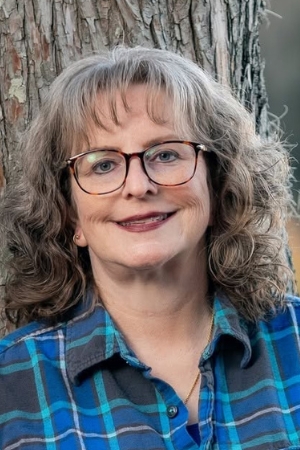
Bradbrook: I have extensive, direct experience with the County’s operations across all departments. This includes experience with administration, staffing, and budgeting.
I’m also committed to including citizens in the decision-making process through an open-door policy and active transparency. The main ingredients for good governance are listening to citizen feedback and incorporating that into policy.
Certain: I first stepped into public service after volunteering in a Title I school, where I saw how a child’s opportunities were too often determined by their ZIP code instead of their potential. Serving on the School Board taught me that what happens outside the classroom: housing, transportation, jobs, and public safety- shapes what happens inside it. That’s why I’m running for County Commission. Combined with my 23 years in public finance and my experience making difficult public decisions, I’m ready to help lower costs, plan growth responsibly, protect what makes Alachua County special, and build a community where everyone has the opportunity to succeed.
Jackson: I have a passion for people and securing the future of Alachua County! I have served in leadership positions for over 40 years, with more than 21 years of proven leadership in Alachua County Government. Completed over 300 energy savings, water conservation and construction projects exceeding $140M. I am the only candidate in District #2 with the experience to lead CHANGE by taking care of people, providing safe communities, protecting taxpayers’ money, and securing a future for the citizens of Alachua County.
Williams: I am ready to serve as Alachua County Commissioner District 2 because I bring 20 years of proven government leadership. I have helped manage annual budgets, enact local laws and ordinances, decide rezoning and land-use cases, and appoint key managers and attorneys. That experience matters. It means I understand how government works, how decisions affect families, and how to lead with integrity, respect, and professionalism. I will serve every city and community in Alachua County, from Gainesville to Springs Ridge, with a servant’s heart and a genuine passion for people. The county deserves experienced, trusted Leadership.
Suggested Articles
No related articles found.
None of them have “knocked on my front door” to introduce themselves and/or ask for my vote.
Seriously 🙄
ABC. Anyone But Certain.
Thank you. AGREE!
Please, everyone. Any one but Tina Certain. She had to be disiplined by the State for his discriminatory actions on the School Board.
I agree. Public officials should be judged by their fairness and integrity, not politics or favoritism. Every person deserves to be treated equally and with respect, regardless of their race, gender, or background. Leadership should unite people, not divide them. With Tina past action I’m worried if she feels the same way.
Tina Certain has had ample opportunity that she has no executive skills, competency or professionalism on the school board.
Loud and rude.
The voters of Alachua County District Two need to be represented by a viable outspoken, intelligent, and capable candidate. So far I don’t see one in this group.
thanks for info.