


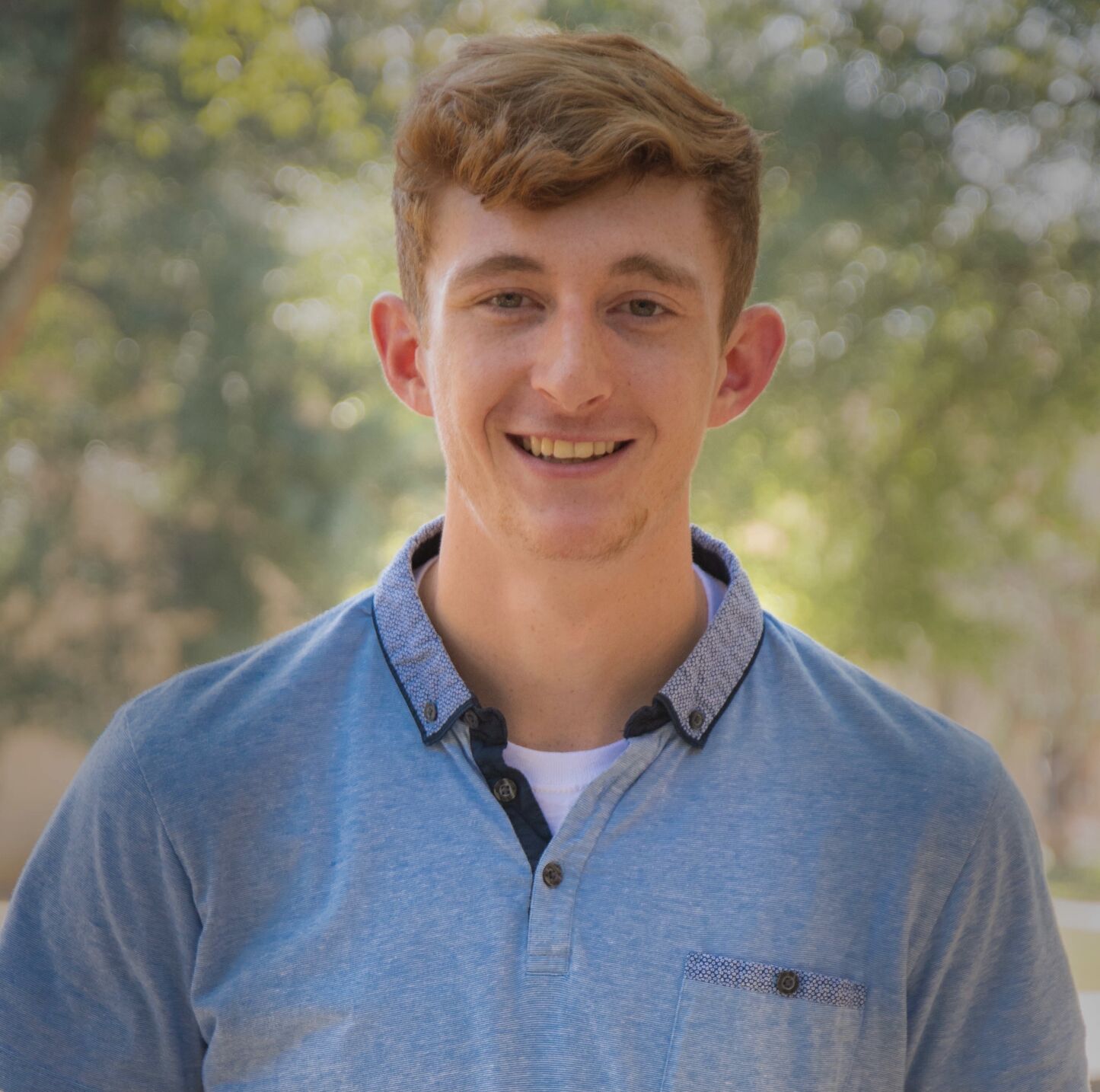
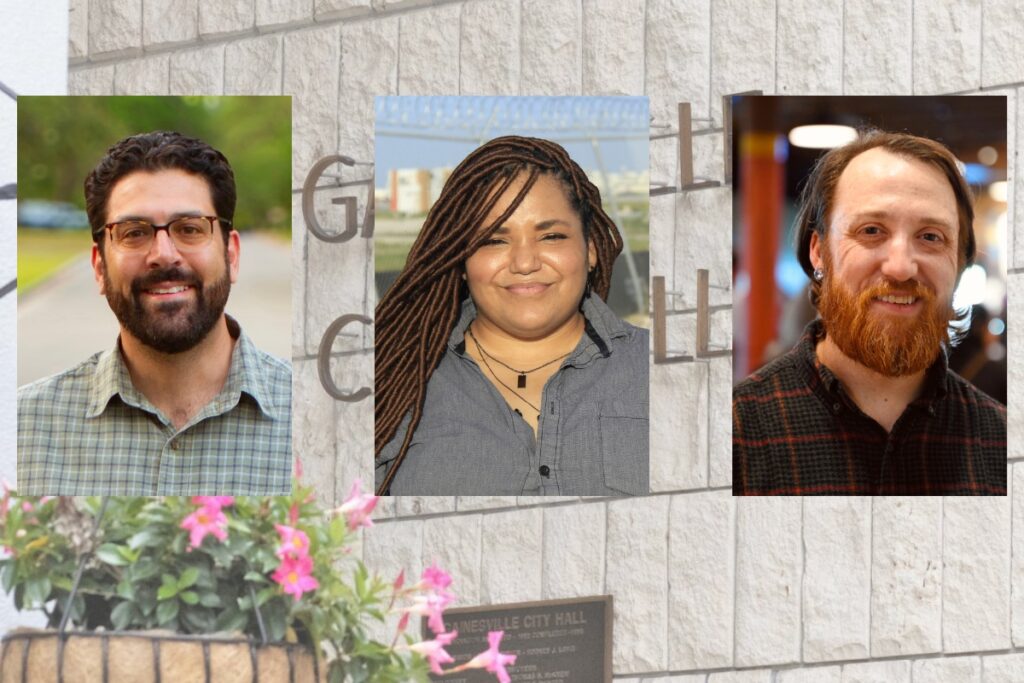
- The candidates express concern over potential $12.6M budget loss from the November homestead tax exemption vote and propose various strategies to manage possible funding cuts.
- The Gainesville City Commission had four of its seven seats open for the 2026 election cycle, potentially allowing a reshuffling of seats like the one that happened four years ago.
- Commissioner Bryan Eastman ran unopposed and will continue to serve without heading to the ballot.
The Gainesville City Commission had four of its seven seats open for the 2026 election cycle, potentially allowing a reshuffling of seats like the one that happened four years ago.
Commissioner Bryan Eastman ran unopposed and will continue to serve without heading to the ballot. Commissioner Ed Book announced he would step down after a single term, so one of three District 2 challengers will join the dais.
Commissioner Casey Willits faces a familiar challenger in DeJeon Cain as well as an unfamiliar one in James Gardner.
Unlike the elbow-bumping, nine-challenger showdown of 2022, the mayoral race comes down to just the incumbent, Mayor Harvey Ward, seeking what would be his final term on the commission, and challenger Evan Moon with his first foray into politics.
Mainstreet Daily News provided each of the candidates for office with the same questions. We’ve run the District 2 answers below. The District 3 and mayoral candidates will have their answers in separate articles coming later this week. You can sign up for our newsletter to get the articles straight to your inbox.
We will begin with a short biography of each candidate followed by the questions and answers.
District 2: Northwest Gainesville
Nathan Crabbe
- Occupation: Journalist
- Previous experience in elected office: This is my first time running for office.
- Public service other than elected office: I helped James Lawrence launch Gainesville for All, which brought together residents to develop ways to address longstanding racial and socioeconomic disparities in our community, and spent time serving as leader of its education team. As a young man, I completed a year in the AmeriCorps national service program, working on service projects throughout the eastern part of the country.
Nelida Jean-Baptiste Pellot
- Occupation: Housing Inspector- Gainesville Housing Authority
- Previous experience in elected office: Candidate left blank
- Public service other than elected office: I am a Chaos Coordinator at Theatre Connect, I work as a Housing Inspector at Gainesville Housing Authority and I’m a director for the Pride Community Center of North Central Florida.
Wyatt Zintiz
- Occupation: I am currently a full-time stay-at-home dad to two small children as well as being the owner/operator of an all-electric landscape maintenance business. My background is in Public Works operations and maintenance, where I most recently served as Labor Crew Leader II before choosing to step down after my wife experienced life-threatening complications during the birth of our second child.
- Previous experience in elected office: This is my first time running for elected office. My knowledge, skills, and leadership experience come from my service in the United States Marine Corps and Gainesville’s Public Works Department, where I fostered teamwork among diverse groups of individuals, set high standards for efficiency and accountability, and gained valuable experience working with large, complex governmental organizations.
- Public service other than elected office: I have over a decade of public service experience to my country and community, first as an infantry team leader in the Marines and later with Gainesville’s Public Works Department. I’ve led people on the frontlines throughout my life, and that time working directly in service to others has given me a unique perspective that our city government desperately needs. Being at the nexus between the people making plans and the people executing them has allowed to me to understand where the disconnect between big ideas and effective actions often lies. Years of experience in that role have shown me how to bridge that gap by improving communication, demonstrating initiative, and setting high standards. My record of public service will allow me to hit the ground running once sworn in as Gainesville’s District 2 Commissioner, which is of particular importance when our city is facing so many new challenges.
What do you hope to accomplish as part of the City Commission?
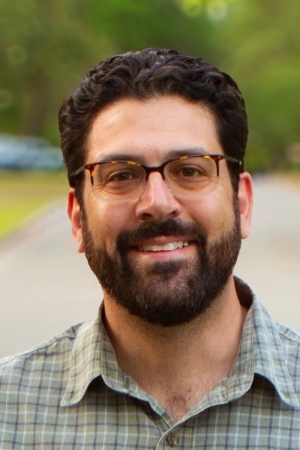
Crabbe: My top priorities are protecting our environment, improving affordability and strengthening infrastructure. I support programs that help homeowners make energy-efficiency upgrades, which lower both utility bills and emissions. I will work to protect green spaces in our neighborhoods and encourage housing options beyond the student-oriented high-rises that have dominated our landscape in recent years. I will instead focus on expanding access to starter homes for young workers and housing that allows seniors to age in place. I will also work to keep our roads well maintained and safe for everyone who uses them.
Pellot: I want to help build a Gainesville where everyone has the opportunity to thrive, regardless of income, language, age, or ability. My priorities are expanding affordable housing, strengthening neighborhood infrastructure, improving government transparency, and ensuring residents have meaningful opportunities to participate in decision making. I would want to advance policies that make our city more resilient to climate change while investing in safer streets, reduced gun violence, youth opportunities, and economic mobility. Most importantly, I want to be a commissioner who is accessible, listens, and brings people together to solve problems with compassion, accountability, and practical solutions rooted in the lived experiences of our community.
Zintiz: As part of the City Commission, I hope to restore trust and confidence in our local government after years of mismanagement and partisan posturing. The vast majority of our citizens simply want the Commission to focus on its fundamental mission and work to make life better for everyone in our community, rather than engaging in divisive culture wars. If elected, I will lead from the front, setting an example of nonpartisanship for other commissioners to follow and fostering an ethos of service and self-sacrifice that has sadly disappeared from the corridors of City Hall.
What recent votes from the current City Commission have you disagreed with, if any, and why?
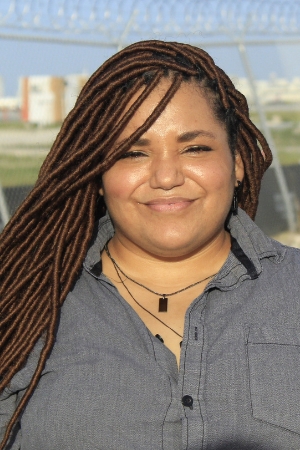
Pellot: Rather than focusing on individual votes, I believe the larger concern is how our decisions are made. Residents feel they are informed after decisions have already been shaped instead of being genuine partners in the process. I would like to see greater transparency, earlier public engagement, and more accessible communication before major policy decisions are finalized.
One area we can improve is housing policy. Gainesville has taken meaningful steps to encourage housing development, but we must also ensure that growth benefits the people who already call this city home. I support zoning decisions that increase housing supply while protecting neighborhood stability, considering environmental damage and preventing student housing from artificially inflating property values. As someone who works in affordable housing every day, I believe our policies should be grounded in data, equity, and the real experiences of Gainesville residents.
Zintiz: The City Commission’s decision to implement a “Downtown Ambassador Program” administered by a private, out-of-state, and for-profit corporation is hands down one of the most misguided and tone-deaf decisions they have made in recent memory. Rather than find a way to keep taxpayer money circulating within our own community, the City chose to give $3.1 million to a company operating out of Louisville, KY. The program itself is a classic example of the needless redundancy and waste that makes people disdainful of government in the first place. Gainesville already has agencies that perform the same tasks as Downtown Ambassadors: the police, fire, and public works departments.
If elected to the District 2 Commission seat, I will take action on Day 1 to end this wasteful contract with a company based halfway across the country from our own community.
Crabbe: I disagreed with the City Commission’s decision to end the residential composting program. The pilot program included 681 homes and diverted 52 tons of food waste from the landfill in just the 2025 fiscal year alone. Diverting food waste from landfills cuts greenhouse gas emissions, while turning that waste into compost improves soil health and provides other environmental benefits. The commission should have explored options that would have lowered costs and could have allowed the program to continue for a fee. Even without the program, we should be doing more to encourage composting throughout Gainesville. A good start would be working with local composters to teach residents how to establish composting efforts in their neighborhoods, which could be used to support community gardens.
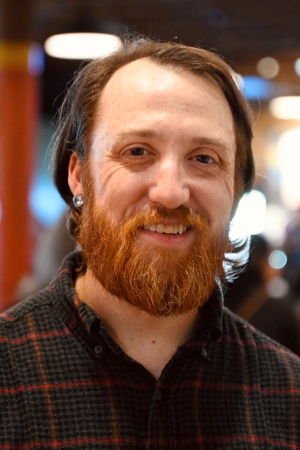
How should Gainesville prepare for the November homestead tax exemption vote?
Zintiz: When it comes to the homestead tax exemption vote, Gainesville should prepare for the worst and hope for the best. To be clear, the proposal to increase homestead exemptions across the state is misguided, ill-conceived, and does nothing to address the real concerns Floridians have about rising property taxes. If Amendment 3 passes, it will result in a $12.6M loss for the city’s budget. While momentum behind the proposal has stalled as of late, there is still a possibility it could pass and the City Commission needs to have a plan to meet this potential new challenge head-on. If Gainesville is forced to make drastic budget cuts as a result of Amendment 3’s passage, as Commissioner I will trim the fat where it has accumulated the most: charter officer and executive salaries that have ballooned out of proportion while worker pay has stagnated.
Crabbe: Gainesville should prepare for the worst-case scenario if this measure passes because we can’t count on the state for help. The Legislature put the measure on the ballot before a fiscal impact study was even completed and failed to plan for helping communities pay for essential services. Without additional revenue, Gainesville would be forced to cut funding for public safety, infrastructure, parks and other programs that benefit our quality of life. The measure would also shift the tax burden to apartment complexes and other commercial properties that don’t qualify for homestead exemptions. Those costs eventually get passed along to businesses and renters who already struggle with the cost of living in Florida. To reduce those impacts, the city would also need to consider changes to other funding sources such as the fire assessment. Voters should reject the measure to avoid these consequences.
Pellot: Tough Question. Regardless of where residents stand on the homestead tax exemption debate, we have a responsibility to prepare honestly and transparently. If the amendment passes, Gainesville could face significant reductions in future revenue, which would affect essential services such as parks, road maintenance, public safety, and affordable housing initiatives.
The City should clearly communicate the potential impacts before the election, develop multiple budget scenarios, and invite residents into those conversations. Preparing responsibly also means identifying efficiencies, pursuing additional grant funding, and evaluating priorities rather than reacting after the fact.
I believe residents deserve straightforward information instead of political messaging. We should understand both the potential tax savings and the tradeoffs so we can make an informed decision. Whatever the outcome, my priority will be protecting core services while ensuring the City’s financial decisions remain transparent and accountable.
How will you approach the relationship between the City Commission and the Gainesville Regional Utilities Authority?
Crabbe: GRU belongs to the people of Gainesville. Residents voted overwhelmingly for local control of GRU in two different elections, only to have a judge and then state lawmakers invalidate our votes. The Authority is now making decisions like removing garbage and stormwater charges from GRU bills, costing both the utility and city around $1 million annually – costs that are ultimately paid by residents and other ratepayers. Money is being wasted on lobbyists and attorneys to fight each other rather than helping our community. We need to remove politics and personal conflicts from these decisions. We should establish a transparent, predictable formula for determining how much utility revenue goes into the city budget, modeled on the fees that investor-owned utilities across the country pay to the communities they serve. Ultimately, I want to see the Authority replaced by a board controlled by local residents rather than filled with the governor’s appointments.
Pellot: The relationship between the City Commission and the Gainesville Regional Utilities Authority has always been rooted in transparency, accountability, and a shared commitment to serving Gainesville residents. Before considering any major action, including litigation with the State, I believe the Commission and the public deserve a clear understanding of the legal, financial, and operational realities. Transparency must come first.
After a thorough and public review, it becomes clear that legal action is in the best interest of Gainesville residents and is likely to protect the City’s authority or financial stability, I would be willing to consider supporting it. However, lawsuits should never be pursued simply to make a political statement. They should be based on sound legal analysis, public input, and a clear benefit to our community.
My approach will always be to ask questions, seek facts, and ensure residents understand both the opportunities and the risks before major decisions are made.
Zintiz: I plan to approach the relationship between the City Commission and the Gainesville Regional Utilities Authority with an open mind and a goal of cooperation rather than confrontation. Although I personally voted for the City Commission to retain control over the utility, I also recognize that there were legitimate grievances surrounding GRU’s debt, the Biomass plant, and the Commission’s over-reliance on a general fund transfer from the utility. Now that the State has solidified its control through the GRUA, the best path moving forward is to work with the body and stop playing politics with customers’ utility bills. My number one goal as Commissioner will be to ensure that GRU is providing the best possible service to its customers at the lowest possible rate, and I’ll fight to make that happen no matter who I have to work with.
Why are you the right person for this seat?
Pellot: I am part of this community. My work has put me face to face with residents navigating housing insecurity, rising costs, and barriers to accessing government services. As a Black, bilingual, first-generation American, LGBTQ+, grassroots candidate, I understand what it means to advocate for people who are overlooked. I bring lived experience, transparency, and a willingness to listen. I won’t stop showing up after Election Day because serving this community isn’t a campaign promise; it’s the work I do every day.
Zintiz: I’m the right person for Gainesville’s District 2 Commissioner seat because of my extensive record of public service, deep familiarity with the structure of our local government, and my commitment to bold leadership that isn’t afraid to reject divisive party politics in favor of fighting for what’s best for all of us. Gainesville and District 2 need a Commissioner who can restore the trust and confidence of the people to their government, and my personal history of growing up in Northwest Gainesville and dedicating my life to serving the community I love makes me the perfect candidate for the job.
Crabbe: My experience covering the major challenges facing Gainesville as a journalist gave me a better understanding of these issues and prepared me to play a greater role in addressing them. But I also understand that local government can’t solve these problems alone. My work with Gainesville for All reinforced the importance of bringing community members together to help develop solutions. Through that effort and my work providing a platform for people to share their views, I have shown a commitment to listening to a wide variety of perspectives. I would bring those same values to serving as a city commissioner.
Suggested Articles
No related articles found.
Zintiz is the most sane of the trio. Though I disagree with him dissing the state property tax referendum, which addresses an unfair imbalance among homeowners.
As for GRU, the city should just focus on whether utility infrastructure is being kept up and rates controlled again, for all GRU customers and renters. That’s all that matters.
Zintiz wins!
The “best” GNV has to offer for this Commission seat?
Yikes!