

- UF Health launched UNITE, a $3.75 million NIH-funded study to assess doula care benefits for underserved Medicaid women in North Central Florida.
- The study trained a dozen doulas to serve up to 500 women, focusing on postpartum care to reduce preventable maternal deaths in Florida.
When women don’t have the support of a trusted friend or loved one before, during and after giving birth, their quality of life and their baby’s life can be significantly diminished and can even be endangered.
One increasingly popular way of righting this trajectory is through doulas, professional though typically non-medical maternal health aides trained to serve pregnant women and their partners at all stages of the birthing journey.
According to recent maternal health research, having the support of a doula decreases the risk of cesarean surgery by 53% and the onset of postpartum depression and anxiety by more than 57%.
But not all women can access doulas, physically or financially. That’s why UF Health launched UNITE on Monday, a $3.75 million, four-year study funded by the National Institutes for Health (NIH).
The study aims to research the benefits of doula care for traditionally underserved women in the Medicaid system across North Central Florida, and participating staff hope the findings will make doula care easier to access for all.
An emphasis of the research will fall on the postpartum stage, a crucial time for Florida women. The press release launching the UNITE study reports that one-third to one-half of all pregnancy-related deaths in the state happen after birth and discharge from the hospital, and 69% are deemed preventable.
Although the more intensive and time-consuming postpartum-specific doula care is covered by Medicaid in 27 states, it’s not currently a standardized benefit in Florida, even though other doula pregnancy and birth services are.
UNITE will collect data to inform insurance policy briefings that advocate for making doulas accessible to people of all income levels and at every stage of pregnancy. The initiative will also work to strengthen a sustainable network of local doulas and educate the public about their role and services.
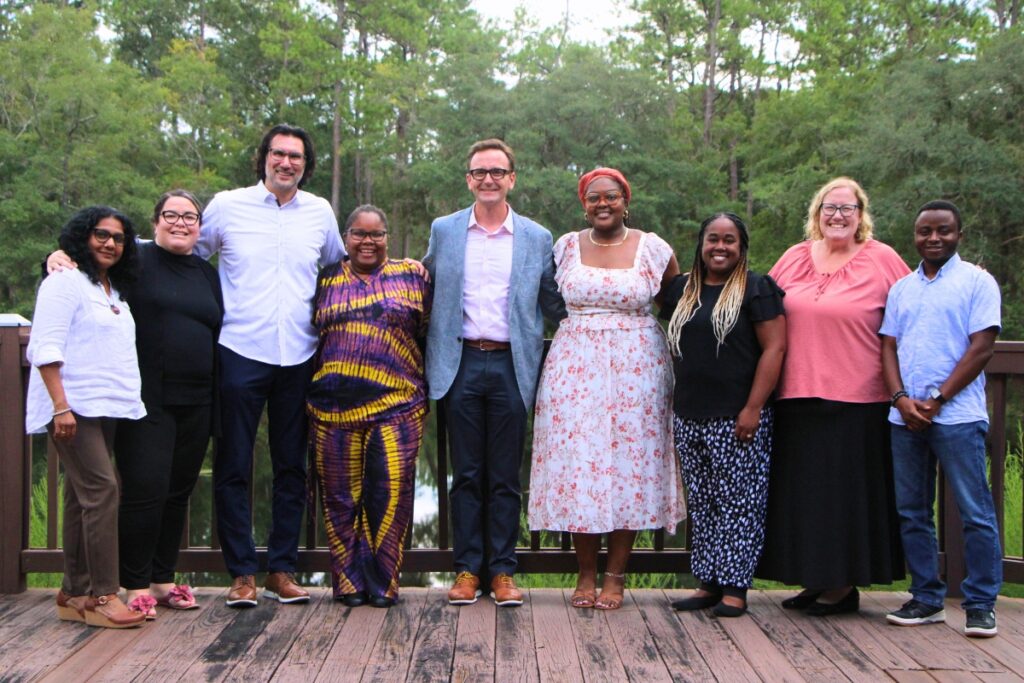
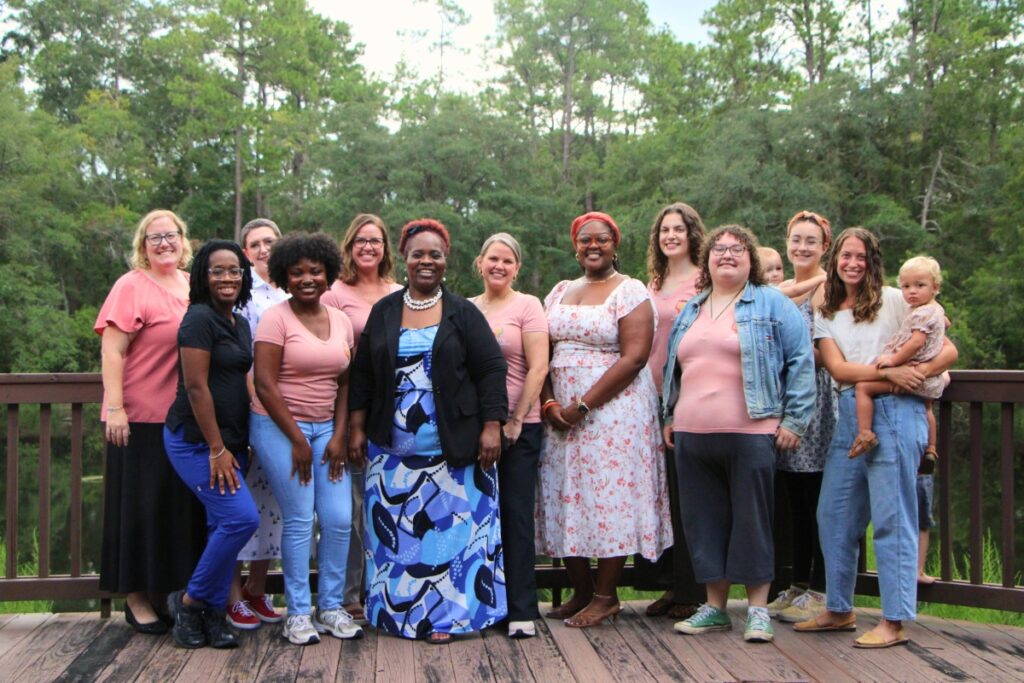
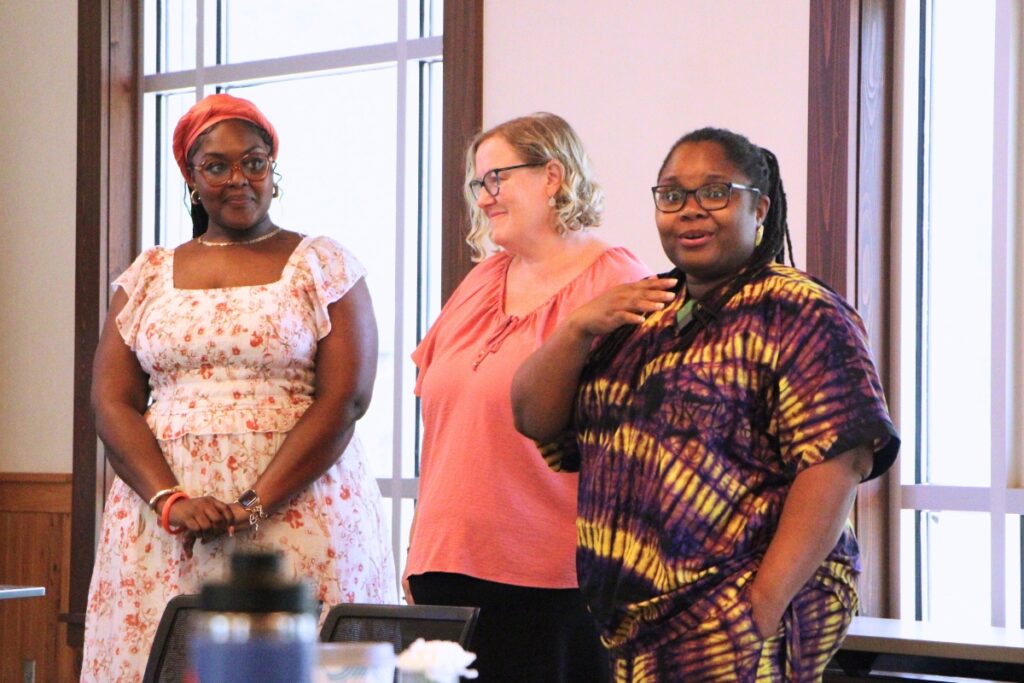
A cohort of researchers, project coordinators and participants gathered Monday for UNITE’s launch after years of preparation, with the last few months spent training a dozen doulas ready to serve as many as 500 women over the course of the study.
“I think it’s really exciting that there’s so many women that don’t know there’s a squadron of doulas ready to be dispatched like the Avengers,” said doula Farleigh Mora. “I’m so excited for them to learn about us and I hope that they receive us well and are as excited as we are.”
UNITE doula consultant Angela Daniel said she felt amazed seeing the study finally come to fruition after only dreaming about it in 2021.
The NIH launched UNITE that year as part of a nationwide effort to understand socioeconomic and racial disparities in access to health care. Barriers often include the cost of care and limited physical access to health care in rural communities where hospitals may be scarce. Doulas can help bridge both gaps by providing support and services that improve access to care.
To gear up for the North Central Florida UNITE study, the UF Health team interviewed and selected the dozen doulas, each coming from various careers with little or no doula experience and many also mothers and beneficiaries of doula services themselves.
Starting in April, the grant supplied training free of cost to the women, including a multi-day birthing workshop with DONA International—the largest organization for certifying doulas—followed by a postpartum workshop, bereavement support training, Medicaid and CPR certification.
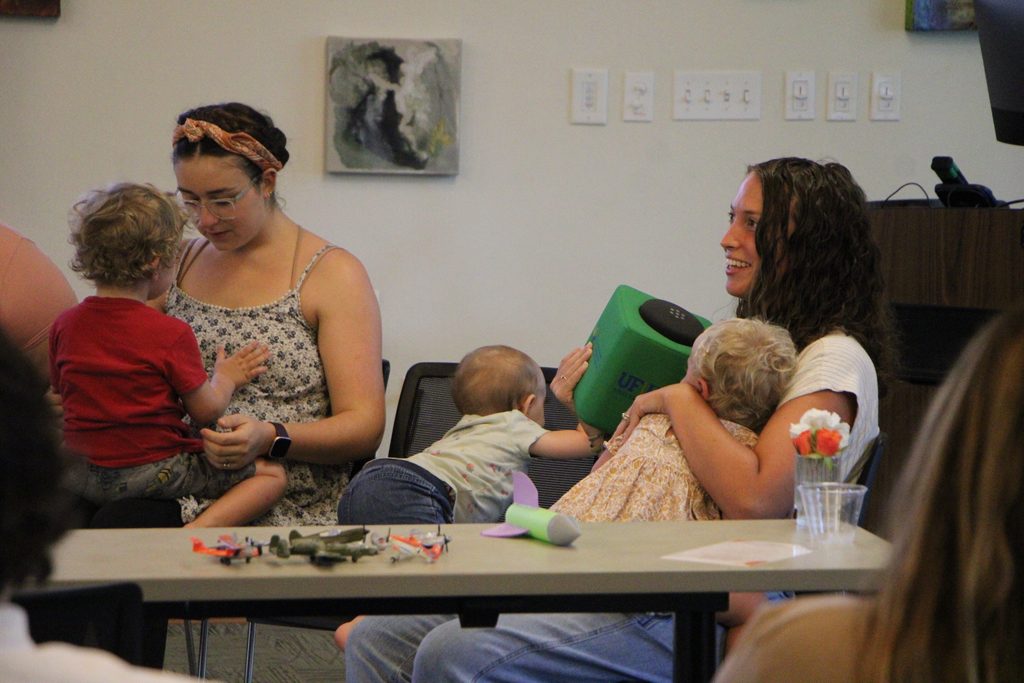
The doulas will provide services at the hospital and at home with patients, including rides to appointments, lactation coaching, family adaptations to their newest member and companionship for mothers without supportive partners or nearby families.
Five rounds of research assessments will be conducted during and after each pregnancy to identify signs of depression and anxiety, as well as other complications through surveys and interviews.
According to the study’s overview, an estimated 10-14% of pregnant women will develop depression and anxiety disorders. That rate increases to 12-25% for postpartum women.
UNITE doula Krystal Gregg works as a perinatal coordinator at the Alachua County Health Department. She said the training had been rigorous, efficient and thorough. Gregg said she believed the program would help meet families where they’re at and connect them with even more resources once finished with doula services.
Mora held her toddler son in her arms during the launch celebration. Even though she didn’t have a doula when she gave birth, she said getting to be one felt like an extension of her job as a mother for others.
“To step into that space and put on a different version of my mom hat for someone else is really meaningful,” Mora said.
Although Medicaid patients are often among the most underserved, UF Associate Professor of Obstetrics and Gynecology Adetola Luis-Jacques said finding doulas who want to work with them can be challenging.
At the start of planning UNITE, Luis-Jacques said only two doulas were willing to engage with Medicaid. The doula must be willing to earn less than the $25 to $60 hourly average, and the complex billing system often leads to delayed payment. Commuting to rural Medicaid clients and postpartum care can also be a time demand.
Luis-Jacques said not only will UNITE aim to create access to healthcare for Medicaid patients, but it will help implement a sustainable structure for doulas serving those populations.
Cultivating longevity will be key to the study’s success and the health of local families, Daniel said, which starts with building a community for the doulas.
“One of the other challenges that we face in our field is a turnover rate of 18 months,” she said. “So, we’re hoping that by investing in them as a group, that we can keep them in our community.”
Now that the study is underway, the team is focused on recruiting pregnant Medicaid mothers and their partners residing in North Central Florida and receiving maternity care from regional hospitals like UF Health Shands, UF Health Flagler Hospital, HCA Florida North Florida Hospital and AdventHealth Ocala. Candidates must be ages 15 to 49 years old and 14 to 28 weeks pregnant.
The standard doula services during the study will be billed to participants through Medicaid, but additional visits funded by the NIH grant are free.
UNITE also builds on UF Health Shands’ growing doula efforts as the hospital became the first in the country to earn the Doula Friendly Designated Hospital status in 2025 for building systems to foster collaboration between doulas and clinical teams.
Editor’s note: This story was underwritten by a grant from the Rural Reporting Initiative at the Community Foundation of North Central Florida.