



Americans should eat more protein from both animal and plant sources, according to the Department of Health and Human Services’ new dietary guidelines released Wednesday.
The guidelines will shape federal food agencies’ policies and remain in place until 2030. They were a departure from previous dietary guidelines that pushed carbohydrates more than protein, the Health Department said in a news release. The Department of Agriculture’s 1992 food pyramid was built on a foundation of carb-heavy foods like bread, cereal, rice, and pasta.
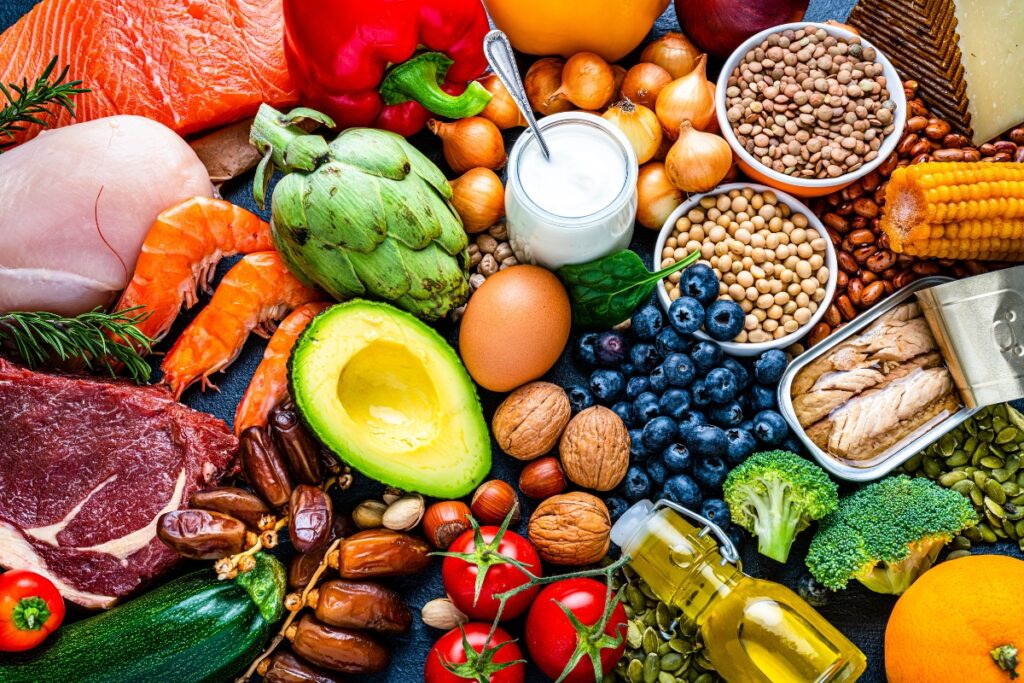
The Health Department on Wednesday set a daily protein target of 0.5–0.7 grams per pound of body weight. Suggested protein sources included eggs, poultry, seafood, and red meat, as well as plant sources like beans, nuts, and soy. The new guidelines also recommend pairing proteins with healthy fats from whole foods, including full-fat dairy, meat, avocados, eggs, olive oil, and seafood that is rich in healthful omega-3 fatty acids. Previous guidelines asked Americans to switch to low-fat dairy products and get protein from lean meat.
The government would not incentivize food that sickened Americans and drove up healthcare costs, the Health Department said in a news release. About 90% of U.S. healthcare spending went toward treating chronic diseases, it said.
What are the guidelines’ other changes and priorities?
- Recommending against added sugars and non-nutritious sweeteners, and against foods with added sugars for children aged four and under.
- Recommending against highly processed foods and sugar-sweetened beverages, such as soda and energy drinks.
- Promoting whole grains, especially those rich in fiber, and suggesting significant reductions in consumption of processed carbohydrates—including white bread, flour tortillas, and crackers.
- Recommending low-carb diets to people with chronic diseases.
This story originally appeared in WORLD. © 2026, reprinted with permission. All rights reserved.

Suggested Articles
No related articles found.