



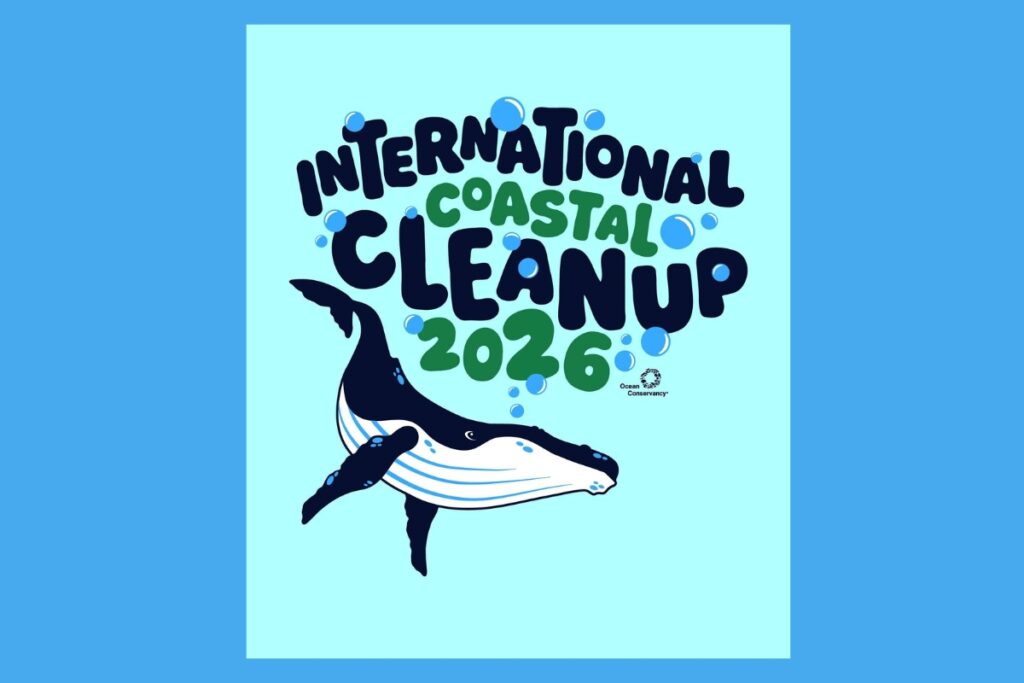
Community members and visitors are invited to help protect Florida’s Gulf Coast during the 41st Annual International Coastal Cleanup on Saturday, Sept. 19, in Cedar Key.
The event will run from 8 a.m. to noon at Cedar Key City Park. No registration is required. Volunteers can check in at Cedar Key City Park beginning at 7:30 a.m., where they will receive supplies and be assigned a cleanup area.
Groups of 10 or more are asked to notify organizers in advance to help ensure an adequate supply of materials. Group organizers can contact Emily Colson at emilycolson@ufl.edu with their expected number of participants.
Volunteers who return their completed data collection materials along with their collected trash will receive a complimentary event T-shirt and lunch while supplies last. T-shirts will be distributed on a first-come, first-served basis beginning at 11:30 a.m.
The annual cleanup is part of the Ocean Conservancy’s International Coastal Cleanup, a global volunteer effort that removes marine debris and collects data on the types of trash found along coastlines worldwide. Cedar Key has participated for more than 20 years, with local volunteers helping protect the community’s shoreline and waterways.
Volunteers will be assigned cleanup locations throughout Cedar Key, where they will collect and document marine debris. While some litter is found along roadsides and sidewalks, much of the debris accumulates in muddy ditches, marshes and other coastal habitats. Participants should be prepared for outdoor conditions and expect to encounter mud and uneven terrain.
Organizers encourage volunteers to wear comfortable clothing and bring work gloves, closed-toe shoes or boots that can get muddy, sunscreen, a hat, drinking water and insect repellent if needed. Trash bags and data collection sheets will be provided. In addition to removing litter, volunteers will record the items they collect using paper data cards or the Clean Swell mobile app. The information gathered contributes to a global database that helps researchers, natural resource managers and communities identify marine debris trends and develop strategies to reduce pollution. Organizers recommend designating one member of each group to record data while others focus on collecting trash.
Suggested Articles
No related articles found.