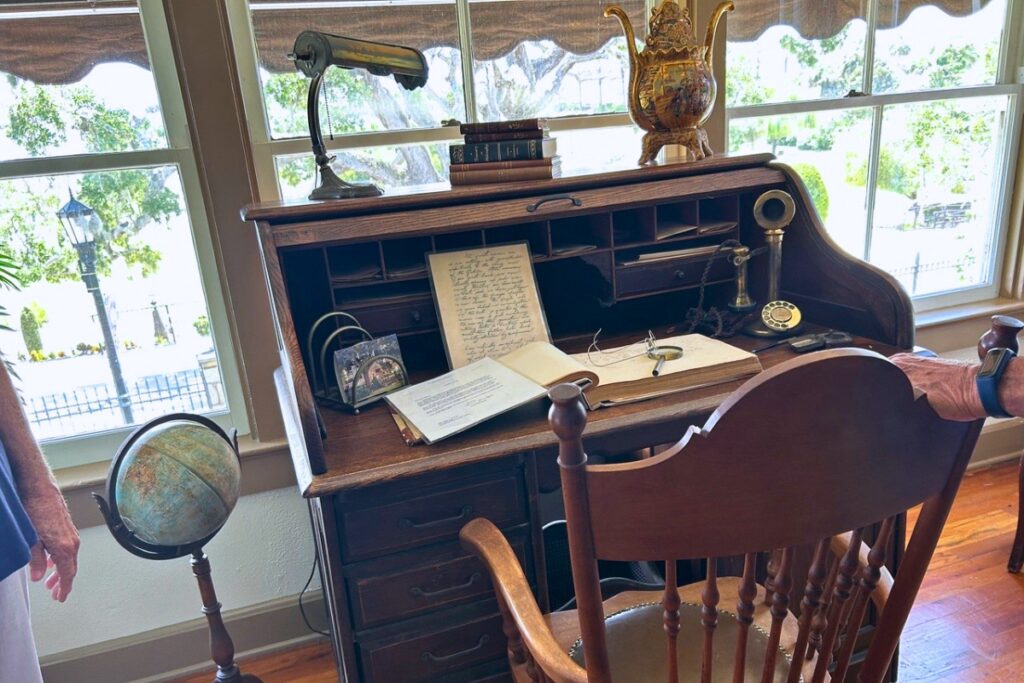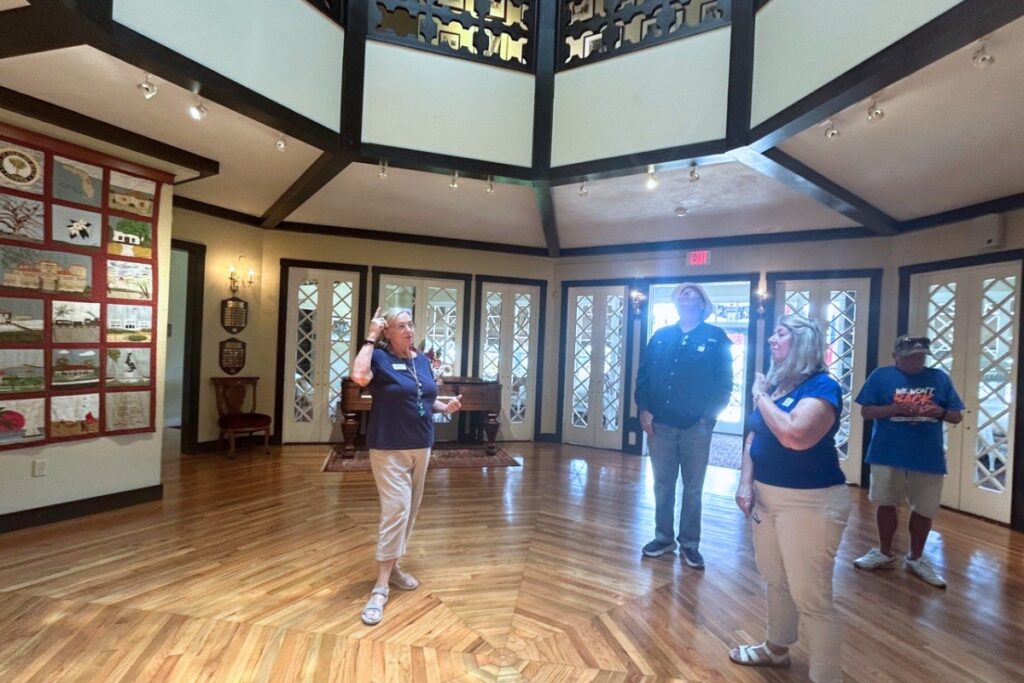



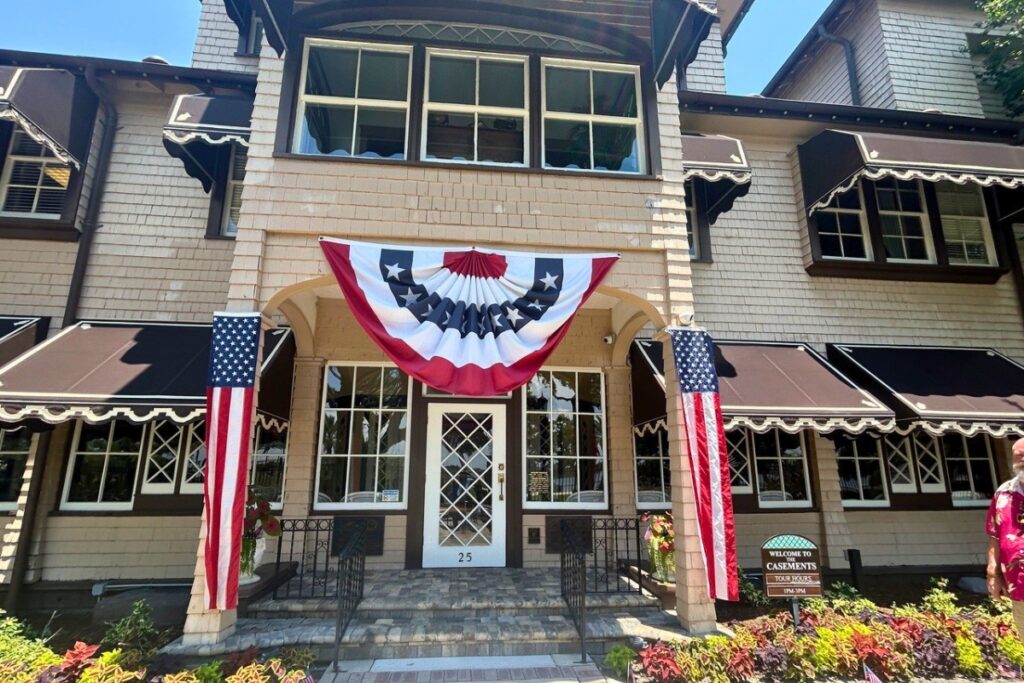
- John D. Rockefeller bought The Casements in 1918 as his winter home in Ormond Beach due to its favorable subtropical climate.
- The Casements was restored after damage in the 1970s and opened to the public in 1979 as a historic site and community venue.
- Rockefeller preferred a modest lifestyle, asking to be called "Neighbor John" and hosting inclusive community events at the mansion.
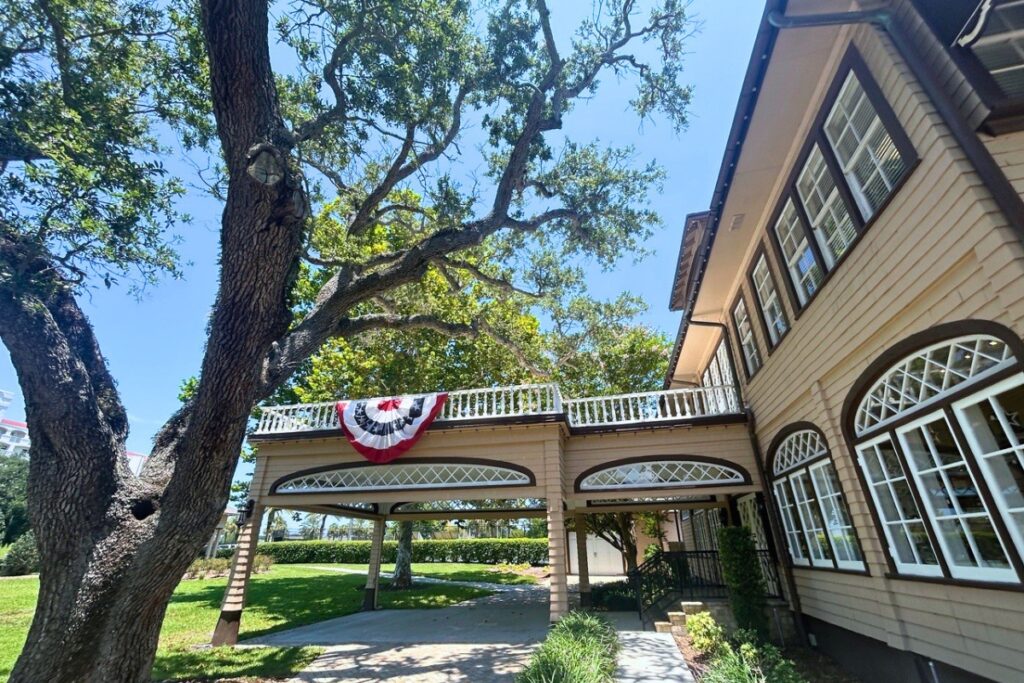
When you visit The Casements in Ormond Beach, it’s easy to understand why oil millionaire and philanthropist John D. Rockefeller might have wanted that mansion for his winter home.
The location, overlooking the Halifax River, now also part of the Intracoastal Waterway, is stellar. So is the building, which takes its name from the casement-style windows that adorn it. A casement window is attached to a frame by one or more hinges at the side.
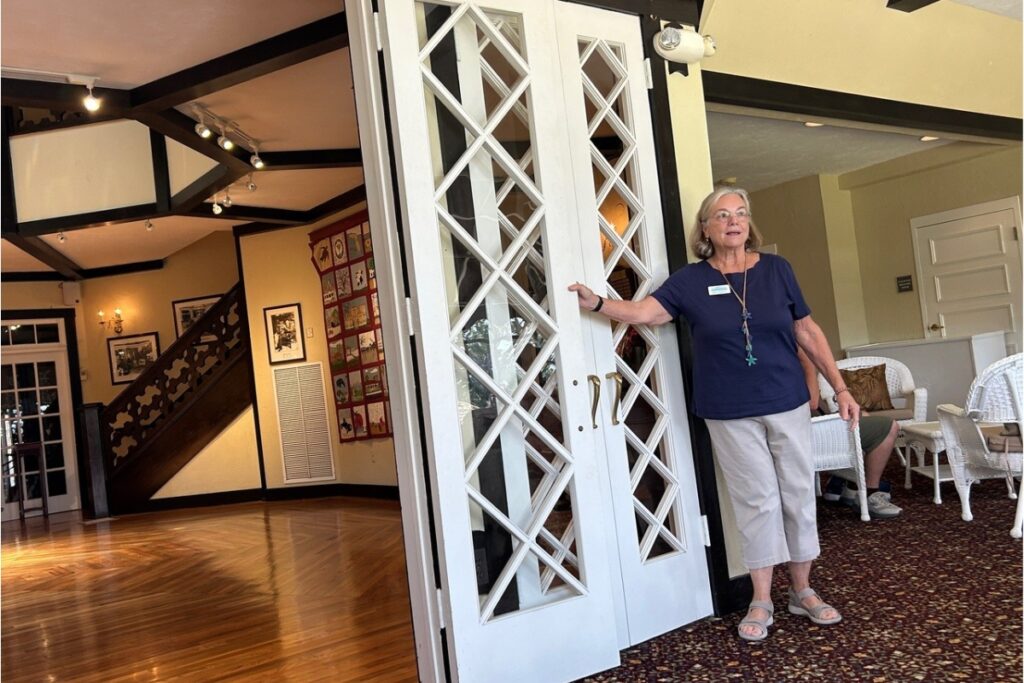
“You learn about the history of the area from coming here,” said docent Barbara Schulman. “And the history of Mr. Rockefeller.”
The property itself is more than 100 years old. Rockefeller purchased the property in 1918 from Rev. Harwood Huntington and his wife, Grace Goodhue. They had built it five years earlier.
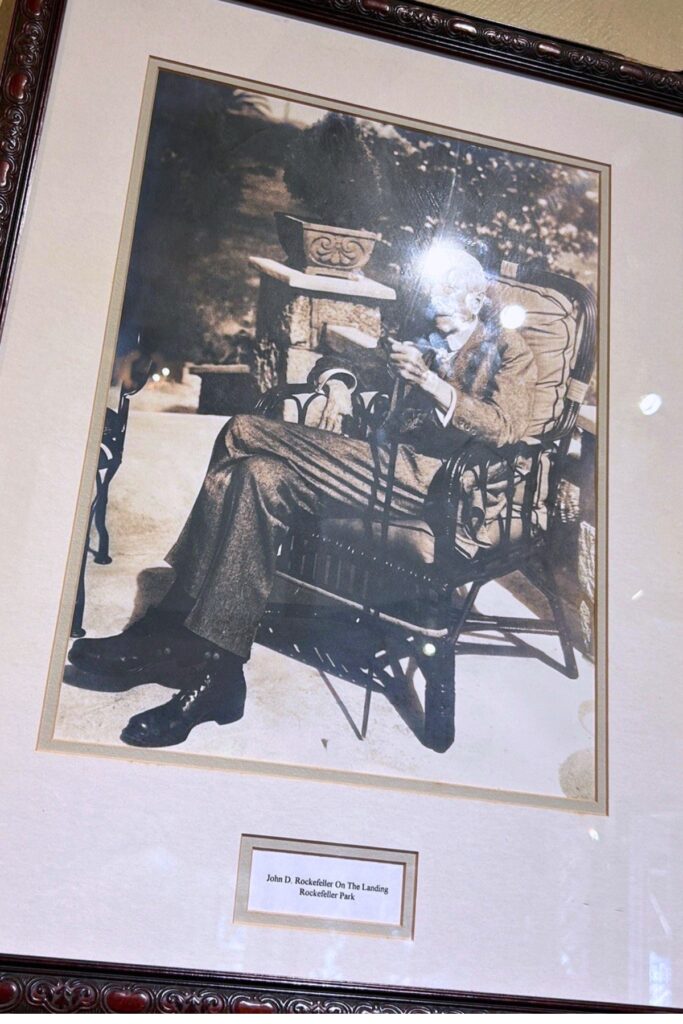
Rockefeller, an avid golfer, had been going to Augusta, Georgia, to play golf during the winter, but was persuaded to try Florida’s warmer subtropical weather. His doctor said Florida would be good for his health.
Rockefeller had been coming to Ormond Beach for several years previously, staying at the nearby Ormond Hotel, owned by his former Standard Oil partner, Henry Morrison Flagler.
“I always thought of him as the rich oil baron, but I have come to find out he was a humble, generous and kind soul. Different from what was portrayed,” Shulman said.
While it was his wealth that allowed him to purchase the property, Rockefeller did not want to be known for his riches but rather simply as one more member of the community.
“He wanted to be one of the usual people. He did not want to be the rich person. He asked to be called Neighbor John instead of Mr. Rockefeller, or J.D. Rockefeller, anything like that. He just wanted to be the same as other people,” Schulman said. “That’s why he raised his kids very simply. They did not know they were rich until they were adults. They had no idea how much money they had because they didn’t live that way. They didn’t raise the kids that way.”
When he was in town, Rockefeller attended community activities like the Ormond Village Improvement Association’s Annual Street Fair. But he also gave a lavish annual Christmas party for friends and neighbors. Some of his celebrity guests included Will Rogers, Henry Ford, Harvey Firestone and the acclaimed British race car driver Sir Malcolm Campbell.
The parties stopped as he aged and grew ill. Rockefeller died at The Casements on May 23, 1937, at the age of 97.
The Casements went through several reincarnations after Rockefeller’s death: as a college for young women, a retirement home and an apartment hotel. Fire and vandals damaged the property when it was left vacant in the 1970s.
But then fate and historic preservationists stepped in. The Casements was placed on the National Register of Historic Places in 1973, shortly before the city of Ormond Beach purchased the property for $500,000 in 1974.
In 1977, The Casements received a $449,000 federal public works grant, and restoration work began. The home opened to the public on Oct. 1, 1979, and was designated a Florida Heritage Site in 2014
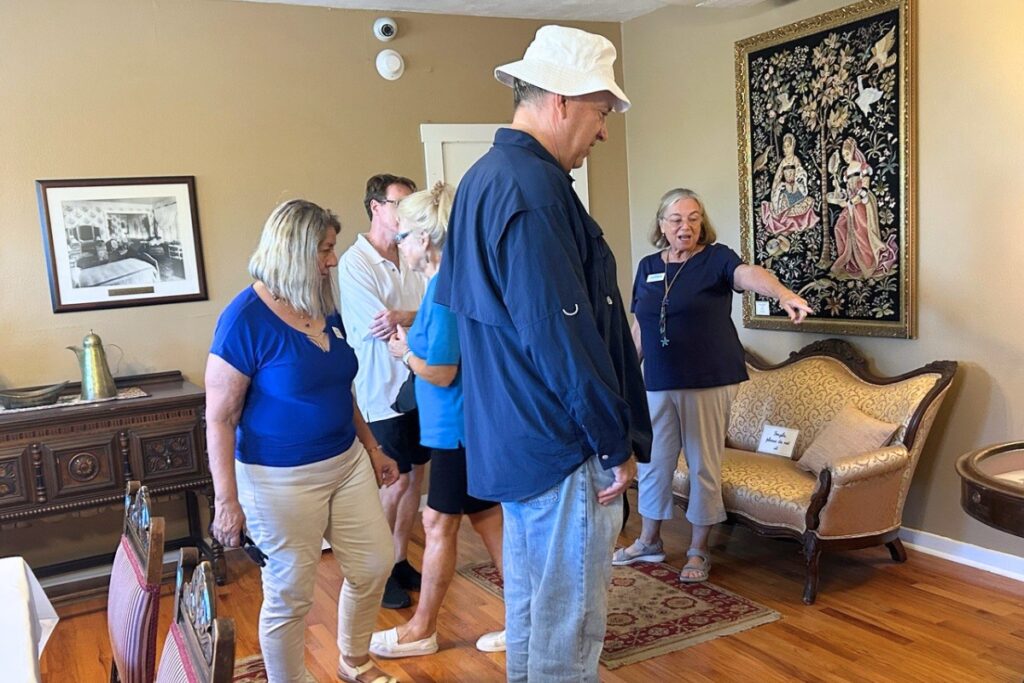
The Casements Guild was organized that same year.
“We knew this was a piece of history and we wanted to give tours to help preserve that history,” Schulman said.
The Casements gardens are an authentic restoration of a two-acre garden that features citrus trees, a promenade, streams and small bridges, and seasonal flower displays.
For Schulman and the other docents, The Casements contributes a lot to the Ormond Beach community. “It is a venue for events. It is also a place for tourists to come and learn about this area, and some of the famous people who put it on the map.”
The Casements, located at 25 Riverside Drive in Ormond Beach, is open from 8 a.m. to 5 p.m., Monday through Friday and from 8 a.m. to noon on Saturdays, except for the first Saturday of the month, when it is open from 3 p.m. to 7 p.m.