


- The University of Florida named Dr. Stuart Bell as its sole finalist in the presidential search and denied violating state law or transparency rules.
- U.S. Sen. Rick Scott criticized the search's transparency and interim President Landry's $2 million payout contract, urging an investigation.
- UF plans a public forum on June 3 for Bell to engage campus stakeholders and will hold open interviews and approval hearings moving forward.
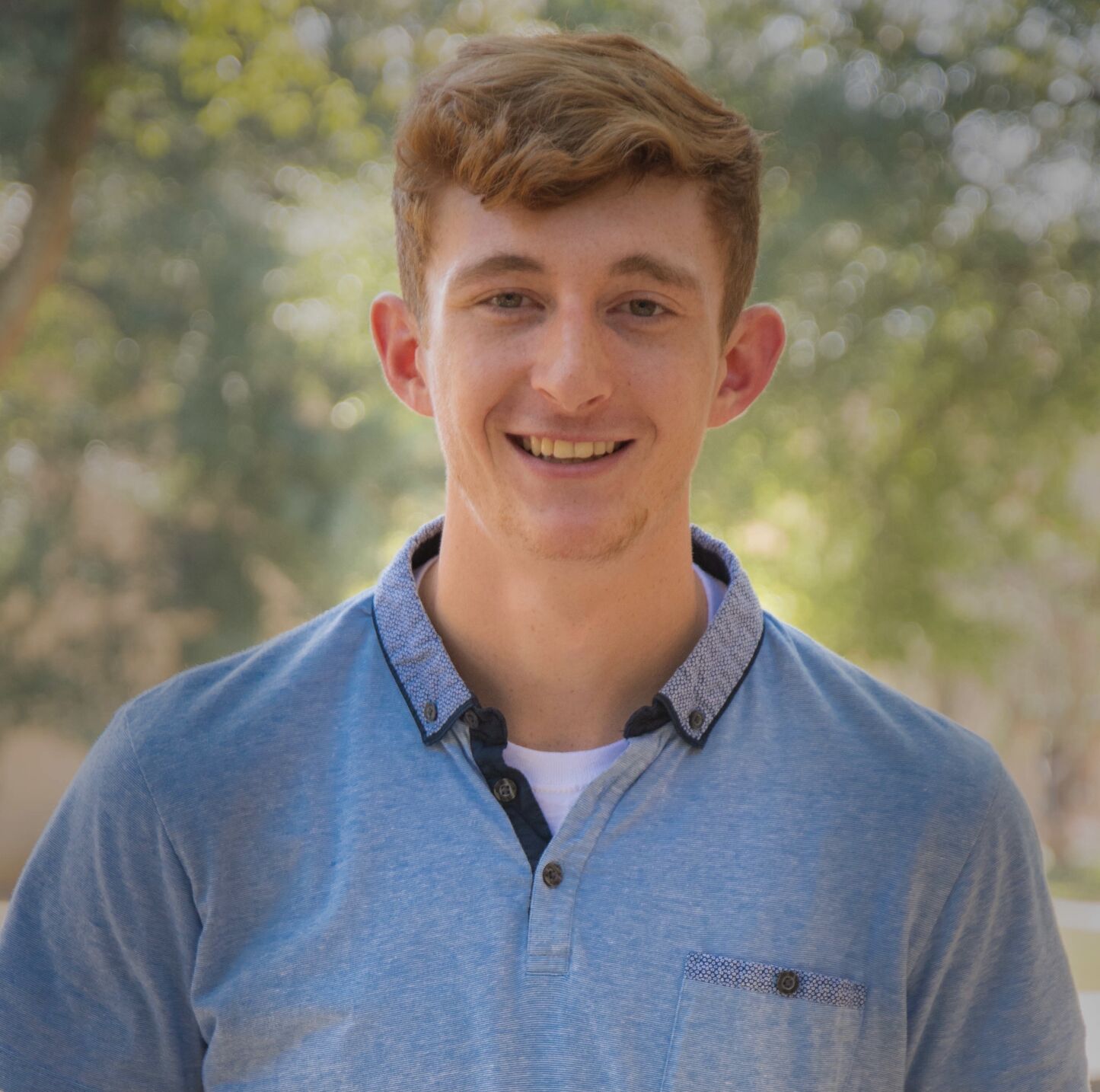
The University of Florida has denied any wrongdoing in its presidential search that landed on Dr. Stuart Bell, former president of the University of Alabama, as its sole finalist.
UF released a statement on Friday, reported by WCJB, after the search process came under fire by U.S. Sen. Rick Scott, who sent a four-page letter questioning whether UF followed Florida law and the transparency of the search.
Scott also took issue with interim UF President Dr. Donald Landry’s contract, which gives him a $2 million payout if he’s not selected as the next president. Scott said an investigation needs to happen into Landry’s contract, saying the contract was negotiated by UF Board of Trustees Chair Mori Hosseini.
UF declined to comment on Thursday but released a lengthy statement Friday afternoon. In the statement, UF outlined state law along each phase of the process and how the search met the standard.
The last three UF presidential searches have resulted in single finalists, with no other candidates named. Those searches resulted in Ben Sasse, then an active U.S. senator, stepping into the role of UF’s 13th president in 2023 and Dr. Santa Ono, then president of the University of Michigan, getting the nod in 2025 before being rejected by the Florida Board of Governors.
UF defended the sole finalist process.
“This framework was adopted for a reason: without confidentiality, many of the nation’s most qualified candidates simply would not participate in public university searches,” the statement said.
The UF statement continued, saying Florida’s process was a deliberate policy choice by the Legislature and Board of Governors to attract the best candidates.
The statement highlighted that the rest of the process will be completely in the public eye, with a planned June 3 meeting between Bell and the university’s stakeholders on campus.
The statement failed to address one of the main points in Scott’s letter—that UF failed to interview three final candidates.
“Reasonable people may hold differing views regarding any candidate. But it is wrong to suggest that UF circumvented the law or operated outside the bounds of transparency established by the State of Florida,” the university said.
The statement ended by saying that the UF Board of Trustees is committed to selecting a president who will “advance UF’s trajectory as one of the nation’s premier public research universities while remaining aligned with the values, priorities, and laws of the State of Florida.”
Below is the full UF statement:
“The University of Florida was copied this week on a letter that included allegations related to its presidential search process, including the false assertion that UF violated state law to avoid public transparency in selecting a presidential search finalist.
That allegation is categorically untrue.
The University of Florida has complied fully with both Florida law and the regulations established by the Board of Governors throughout every stage of this presidential search. Florida’s presidential search framework intentionally establishes a two-phase process.
In the first phase, state law expressly requires confidentiality for applicants and search committee deliberations. Committee members sign non-disclosure agreements, and candidate interviews, discussions, and the selection process are legally required to be conducted outside of the public view.
The law further provides that while a finalist may be publicly announced, information regarding other candidates and committee deliberations remain confidential.
This framework was adopted for a reason: without confidentiality, many of the nation’s most qualified candidates simply would not participate in public university searches. Florida’s process reflects a deliberate policy choice by the Legislature and the Board of Governors to ensure universities can attract the strongest possible candidates while still providing robust public scrutiny of finalists.
The second phase of the process, the phase now underway, is entirely public.
The search finalist, Dr. Stuart Bell, will participate in public forums open to faculty, students, staff, the public and the media. Members of the community will have the opportunity to ask questions on a wide range of topics, including Dr. Bell’s positions and leadership decisions regarding diversity, equity, and inclusion initiatives.
In addition to these forums, the Board of Trustees will interview Dr. Bell at a public meeting. If selected as president-elect, the Florida Board of Governors will interview Dr. Bell at a public confirmation hearing. Both hearings are open to the public, including students, faculty, staff, the public and the media.
Reasonable people may hold differing views regarding any candidate. But it is wrong to suggest that UF circumvented the law or operated outside the bounds of transparency established by the State of Florida. The University followed the exact process required under Florida law, a process designed to both protect the integrity of the search and ensure meaningful public accountability.
The University of Florida remains fully committed to selecting a president who will advance UF’s trajectory as one of the nation’s premier public research universities while remaining aligned with the values, priorities, and laws of the State of Florida.
We encourage all interested members of the UF community to participate in the public forums and public meetings ahead.”