



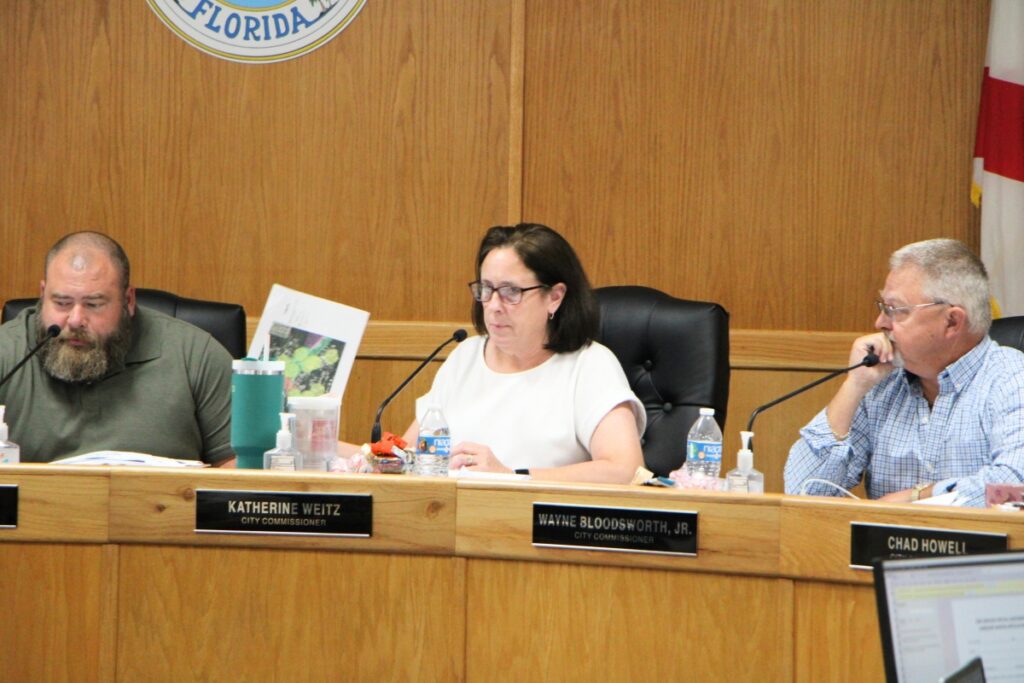
To cut or not to cut the High Springs fire and police departments will be the topic of a special, yet-to-be-scheduled workshop after commissioner consensus at a regular meeting on Thursday that the city’s budget needs more than a band-aid.
In August 2025, the commission debated eliminating or downsizing the departments and took salary cuts to temporarily cover a $723,000 budget deficit. Emergency cash funds were drained in November to cover a $900,000 bill for its new wastewater treatment facility, and city commissioners said High Springs is still supplementing its general fund by pulling from the public works budget.
The workshop also comes under the specter of state cuts to how cities levy property taxes.
During Thursday’s commissioner comment, Commissioner Chad Howell moved for City Manager Jeremy Marshall to gather public safety budget numbers, including how much money the fire and police departments bring in, what they cost each household and how much money it would take to sustain them long-term.
Commissioner Katherine Weitz said she also intended to bring up a workshop about the budgets, and the commission considered adding public works to the mix. Howell said public works is essential, but privatizing, an option already being considered by city staff, could be more cost-effective and better for the employees.
“Ultimately, it’s what we need to do to move forward in the city,” Howell said. “These are the decisions that really suck and have not been made in a very long time.”
A driving motivator for the potential cuts was HJR 203, a bill proposed by state Rep. Monique Miller, R-Palm Bay, that would eliminate property taxes by increasing the homestead exemption for all ad valorem taxes, except school districts, by $100,000 each year for ten years.
Florida Politics reported that 116 Florida municipalities—including Tampa, St. Petersburg and Fort Lauderdale—wouldn’t be able to bring in enough revenue to cover their public safety expenses for 2024 without the taxes.
High Springs collected $3.5 million in ad valorem taxes during the last fiscal year, ending Sept. 30, 2025.
The House passed the bill in February, but the Senate never gave it a hearing. Despite being a priority by Gov. Ron DeSantis, the Florida Legislature failed to pass any of the bills filed to tackle property taxes. The issue will return at a special session later this spring.
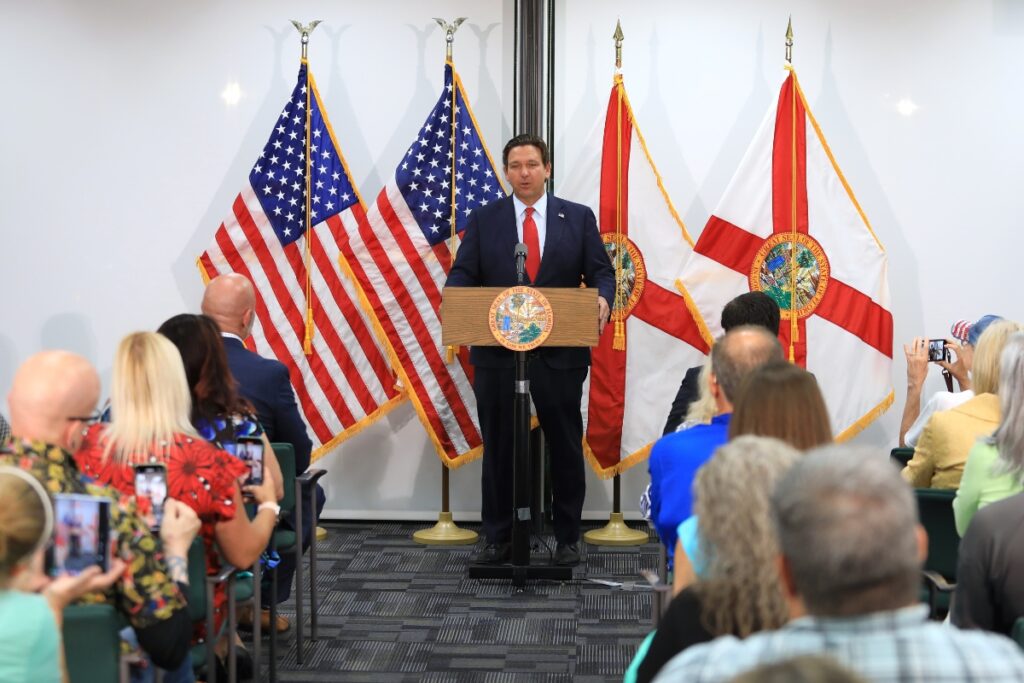
City Attorney Danielle Adams said similar measures come up each year and that the city should prepare for the “ghost it can’t see” after it gained more traction this year than previously.
Marshall said the bill would impact the entire county, not just the city.
“If the ad valorem tax goes away, you’re going to have to reevaluate every single revenue source that comes into the city. Your fees will have to skyrocket,” he said. “I don’t want to be a doomsday person, but I predict that a lot of smaller cities in the state will cease.”
Howell also said the city has to figure out how to fund projects needed to adapt to growth, such as sewer and wastewater. Those two budget lines are currently helping fund the fire department.
Weitz said the city needs to transparently communicate the costs of the fire and police departments so that residents know exactly what they’re paying for.
High Springs and Gainesville are the only two cities in Alachua County with both police and fire departments, and that costs money, she said.
According to Weitz, High Springs has around 1,882 households compared to Gainesville’s more than 58,000 households and a $162 million general fund budget. At 6.99 mills, High Springs has the highest millage rate in the county—largely to fund its public safety—and it will need to be higher if it wants to keep them.
“We’ve been playing the shell game for a long time to try to…just to make it all work,” she said. “We have to stop robbing from public works.”
Marshall said he’d collect the public safety budget numbers to paint as clear and comprehensive a financial picture as possible, including costs like employee payouts that accompany shutting departments down.
Marshall said he will see what it takes to collect the information and return at the March 26 meeting with a potential earliest date for a workshop.
Editor’s note: This story was underwritten by a grant from the Rural Reporting Initiative at the Community Foundation of North Central Florida.
Suggested Articles
No related articles found.
High Springs is using sewer and wastewater budget line items to fund their Fire Department?!?
That isn’t what the article says. High Springs doesn’t have a large population so they are trying to is finding more funding from “somewhere” to help with growth. It will be interesting to see how they deal with potentially no police or fire services and who will pick up the slack. Someone will have to.
Increase population and decrease government.
Only in the Free State of Floriduh!
Small towns were never meant to carry the weight of big government. Yet today communities like High Springs are being pushed to the edge, even to the point of questioning whether they can continue operating their own police and fire departments. That should alarm anyone who believes in strong local communities.
Residents inside the city limits already pay county property taxes. On top of that comes the city’s own millage rate to fund the most basic services police protection, fire response, roads, and day-to-day operations. When county taxes continue to climb and spending priorities drift away from core services, it leaves small cities with little room to breathe. Citizens feel squeezed, and many simply move outside the city limits to avoid the additional cost.
The result is a shrinking tax base trying to fund the very services that make a community safe and livable. Police and fire protection are not luxuries. They are the foundation of a functioning town. If a city is forced to debate eliminating those departments, it is not because the community doesn’t value them it is because the financial structure surrounding local government has become unsustainable.
Unfortunately, many residents feel the problem goes beyond city budgets. The Alachua County Board of Commissioners has increasingly lost focus on the basic responsibilities of local government. From deteriorating roads to ongoing struggles with the county’s animal shelter and other core services, taxpayers are left wondering where their money is actually going.
High Springs should not have to choose between protecting its residents and keeping taxes affordable. If we want strong small towns, we must start demanding responsible spending and a renewed focus on core services. Otherwise, the very institutions that hold communities together will slowly disappear and people will continue to do what many are already doing: packing up and leaving the area altogether.