


- Florida defines elder abuse as intentional or negligent acts causing harm or risk to adults aged 60 or older, including physical, mental, or financial harm.
- The Eighth Judicial Circuit prosecutes about 450 elder abuse cases annually, but most elder abuse crimes are underreported due to victims' fear or shame.
- In 2023, US seniors lost $3.4 billion to financial fraud, with Florida ranking second in losses, prompting local efforts to educate and protect elders.
When I was a younger older adult, still in my 60s, an itinerant young man who was later arrested robbed my home. The social worker handling my case became excited when she learned my age because, she explained, the robbery also qualified as elder abuse simply because of my age.
In Florida, elder abuse is defined under the relevant Florida statute as any knowing, intentional, or negligent act that causes physical, mental, or financial harm—or a serious risk of harm—to a vulnerable adult aged 60 or older.
So, while my long-ago case was strictly just a plain old robbery, it was my first introduction to the concept of elder abuse. And that statute is something that Brian Kramer takes very seriously. Kramer is the state attorney general for the Eighth Judicial Circuit of Florida, which serves Alachua, Baker, Bradford, Gilchrist, Levy, and Union counties.

“It’s a passion for me. I live 40 feet away from my parents who are 86 and almost 88,” Kramer said in a recent interview. “Obviously, this is very important to people later in life, and as state attorney, it is our job to protect the most vulnerable people who require the most protection.
But as hard as he and others try, Kramer says elderly citizens are underrepresented in the criminal justice system. “If you were looking at the amount of damage that is being done to this population and the amount of services they are getting from the criminal justice system, they are underserved.
“Crimes are underreported, and that’s a commonality. Abuse, neglect, and exploitation of the elderly as something that will be reported when it happens is 25%. … and then boils down to what we think can be prosecuted,” Kramer said.
But why is it so tough to bring elder abusers to justice? Most often because those who may have been abused don’t say anything. It can be embarrassing for some of those who may have been abused. For others, it may be fear of retaliation from their alleged abusers.
“Elder abuse is definitely an issue of concern in our area,” said Katina Mustipher, chief executive officer of Elder Options. “Our local sheriff’s office stated that 51% of all financial scam and fraud losses in Alachua County were for individuals aged 60 or older. Nationally, the National Council on Aging states that at least 10% of Elders are mistreated, and that number is believed to be unfortunately underreported out of fear and shame.
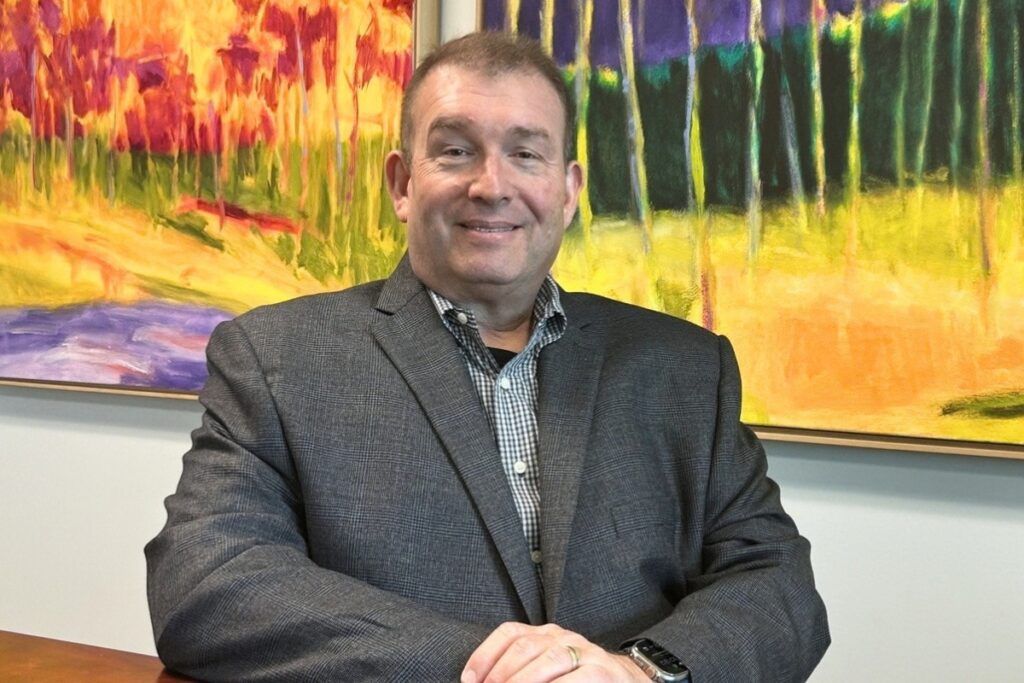
“Elder abuse can manifest itself in multiple forms, including physical harm and neglect, financial exploitation, sexual assault, and psychological distress, and can occur by family members or non-family members and can occur in the community at an elder’s home or in facilities.”
Elder Options serves 16 counties that include Alachua, Bradford, Citrus, Columbia, Dixie, Gilchrist, Hamilton, Hernando, Lafayette, Lake, Levy, Marion, Putnam, Sumter, Suwannee and Union.
Heather L. Jones, chief assistant state attorney in Kramer’s Eighth Judicial Circuit, looked at the numbers, and while they may sound impressive, they are just the tip of the iceberg.
“In any given year, our circuit prosecutes approximately 450 cases related to our elderly/aging population. This number includes a multitude of statutes that would include abuse, neglect, exploitation, battery over 65, or theft over 65,” Jones said.
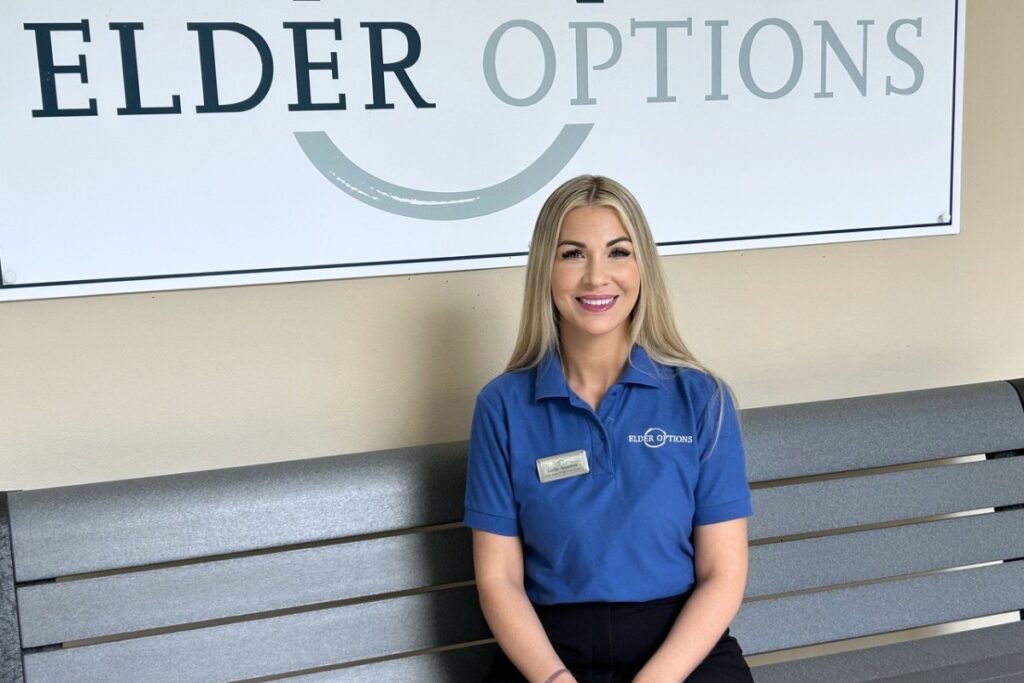
Leslie Andrews, Elder Options’ Elder Abuse Project coordinator, said last year, she received “160 calls that weren’t even directly from the person being abused, but from their families. And their families were saying, ‘We don’t know how to get them out of this. We don’t know how to help them.’
“Often, the person being abused just doesn’t say anything about it because they are afraid of the consequences. That doesn’t mean a crime isn’t occurring. But it makes prosecution or investigation particularly hard when that person will not participate in it.”
Why does this happen?
“A lot of times that person either loves the person that’s abusing them or exploiting them, or they think they love them… Or they rely on that person…they think, if they don’t take care of me, then where am I going to go? What am I going to do?” Andrews said.
Elder law attorney Shannon Miller, who leads Miller Elder Law, shared background about one case that involves a woman who was physically abused by a care provider in the facility where she was staying. The woman’s granddaughter saw the bruising and now Miller represents the family.
“There was another person in the same hallway who had also been abused physically by this care provider. And they (the facility) actually agreed that this is what had happened, that this person had been physically assaulted by this care provider, who was then promptly fired.
“But they didn’t call the police. They didn’t call the elder abuse hotline. Our client had to do that, and our client had to call the police about it,” Miller said. “The assumption is that people who are in a nursing home facility should not be credibly believed when they report an incident like this, even if they have markings on their bodies. So, you know, this is not an unusual circumstance.
“My grandmother had this happen to her when she was at a facility and I came and saw there was a handprint that I could see on her arm. I’ve never seen anything like that before with her. So, I knew that this was a situation where she had been physically harmed and she couldn’t tell me what happened.”
Gail Robinson volunteered with the state Long-Term Care Ombudsman Program (LTCOP) for three years after her husband died.
“I saw my husband and how important the care was for him. I was strongly motivated to see patients get good care,” Robinson said.
She saw some of the same oversights that Miller mentioned but said, “The law is really Johnny-on-the-spot when there is elder abuse between a nurse or staff member and a patient. That has to be reported.”
Failing to take the complaints of the elderly residents of nursing homes seriously is another form of abuse, Robinson said.
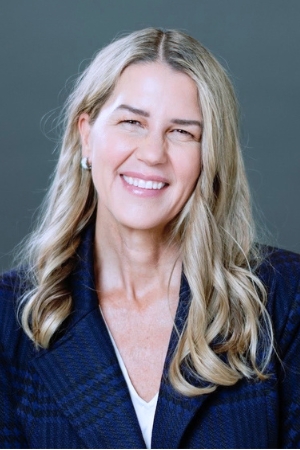
“What some people have mentioned to me, I don’t know if this is, is that a lot of times, the people, the residents of the nursing homes themselves, no one pays attention to them when they make a complaint,” she said.
She pointed out problems with understaffing that may make it difficult even for good Certified Nursing Assistants (CNAs) to keep up with their caseloads, leaving patients’ needs unattended.
“The real truth of elder abuse is neglect. That’s when the patients really lose heart,” said Robinson.
Equally unreported are financial scams, although the numbers from reported incidents are growing at an alarming rate. Nationwide in 2023, seniors lost $3.4 billion to fraud, according to the FBI Internet Crime Complaint Center. Florida ranked second in the number of losses.
Locally, Judy Harden, Region 4 director of the Senior vs. Crimes Project of the attorney general’s office, told of the case of a man who fell victim to a tech support scam which cost him thousands of dollars in gift cards he was told to purchase.
“He was so embarrassed, he isolated himself. He wouldn’t go out and go shopping. He was having groceries delivered. He thought people at the church knew everything, so he quit going to church. He was that embarrassed over it,” Harden said.
Eventually Harden’s agency learned about the man’s problem, and they got him to close his bank account and open a new one.
“Our main stance is that we try to be proactive and educate the senior population on how not to become a victim. We have a whole program that we do,” she said.
What can you do? Quite a bit just by keeping your eyes open and being a good neighbor. Miller shares what she calls a good-news story when a neighbor noticed his elderly neighbors weren’t doing well at a nursing facility where they had been staying. “We had a bit of a legal battle to get them to get back to where we could actually relocate them, which finally came through on Thanksgiving Day a couple of years ago,” Miller said. “We got the apartment furnished and moved them into the facility on Thanksgiving Day so that they could enjoy, you know, the rest of their lives.”
Editor’s note: This is the latest story in Mainstreet’s award-winning Aging Matters series. It was independently reported by Ronnie Lovler and underwritten by the University of Florida’s Institute on Aging.