

Navigating cancer survivorship can sometimes feel like driving in a new city without GPS. The major surgery is over, but what cream do you use to reduce burning? Who do you turn to for support when you transition to primary care?
Cancer caregivers, too, can feel like they are winging it without an instruction manual. They may feel isolated, performing often overlooked but essential labor without anyone to turn to for advice or emotional support.
But a new report, shared in a series of community events throughout North Central Florida this summer, outlines ways to help both groups. In July, UF Health Cancer Institute officials submitted the report — titled “Journey Mapping: Understanding Survivorship Across the Cancer Care Continuum” — to state officials in response to a request to identify and address cancer survivorship and caregiver needs.
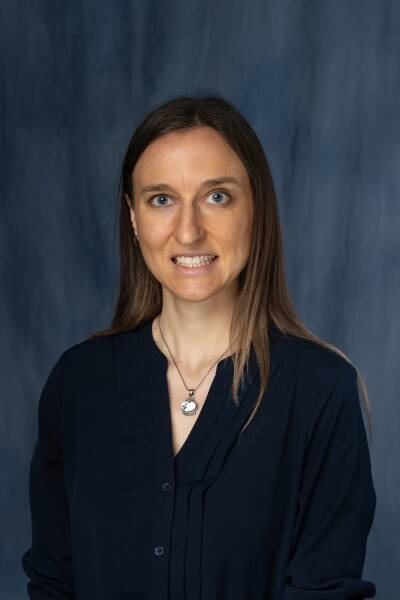
“We wanted to make something as actionable as possible so we could make recommendations to the state, to healthcare systems and to cancer care collaboratives,” said report author Vaughan James, Ph.D., a researcher in the institute’s Office of Community Outreach and Engagement.
One recommendation was for health systems to form advocacy groups or boards that would allow survivors to offer input. Another recommendation was to give patients physical guides at diagnosis, and then schedule consultations 24 to 48 hours later.
“That would give people a moment to take a breath, calm down and think about what they would like to know, rather than blanking out in fear and having to resort to other people doing it,” James said.
Another survivor challenge was navigating differences between expectations and reality.
Many survivors express feelings of isolation as they transition from cancer care to regular primary care, and researchers recommend better formalizing that handoff with the support of patient navigators.
To help caregivers, one suggestion was to create a “buddy system” that would pair them with a peer who had been through a similar experience and could share what worked for them.
Engaging with the community to gather ideas and develop solutions has been a key part of the institute’s mission. To this end, a series of events were held in May and June throughout Alachua, Duval and Seminole counties at community centers and churches — a collaboration between UF and regional cancer control collaboratives.
During the events, coordinators used a research technique called journey mapping. Cancer survivors and caregivers were asked to share what helped them and what they needed at specific time points, from initial diagnosis through treatment and extending years after treatment.
Susan Barefoot, 75, a pancreatic cancer survivor, attended one of the events in Gainesville on June 19.
“Sometimes all the healing you need is just to have someone in common with what you might have been going through who you can bounce things off of,” Barefoot said.
Three additional community events will be held later this fall, including Aug. 19. Those interested can visit the UF Health Cancer Institute site to register.