

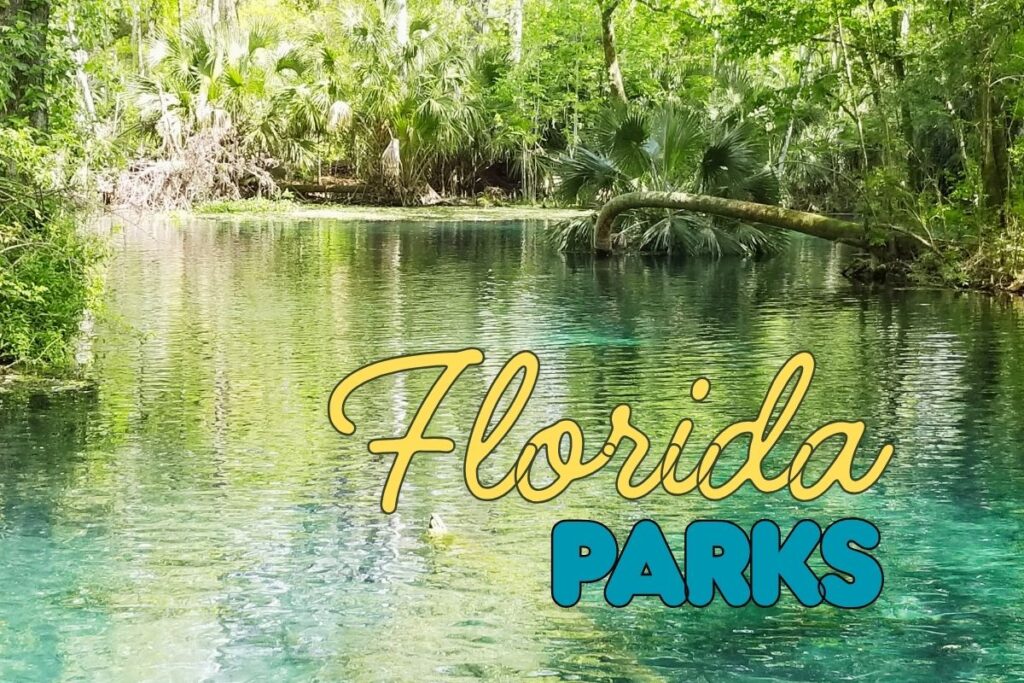
Ask people what makes North Central Florida a great place to live, and they’ll usually point to the University of Florida, the region’s growing business community, or its arts and culture scene. Less often mentioned, but just as important, is a network of parks that shapes daily life for residents and visitors alike.
From state preserves to county recreation centers and neighborhood parks, these public spaces do more than give people a place to bike, hike, play, or picnic. They’re investments in the region’s health, economy, and future.
Florida’s state parks drew more than 28 million visitors last year, according to state park system data. That traffic generated $3.6 billion in direct economic impact, supported nearly 50,000 jobs and produced more than $234 million in state sales tax revenue. The numbers make clear that parks function as economic assets, not just recreational ones.
North Central Florida sees its share of that impact. Paynes Prairie Preserve State Park drew 218,449 visitors last year, generating more than $28 million in economic impact and supporting 392 jobs. Devil’s Millhopper Geological State Park, a few miles away, brought in 84,216 visitors and contributed more than $10.2 million to the regional economy while supporting 143 jobs. Both parks also feed business to nearby restaurants, hotels and retailers.
Local and regional parks add to that picture. San Felasco Hammock Preserve State Park draws hikers and mountain bikers from across the region. Rotary Park at Jonesville, run by Alachua County, shows what’s possible when local government partners with organizations like the Rotary Club. The result is athletic fields, tennis and pickleball courts, and playgrounds built through shared investment. In Gainesville, Depot Park turned a former industrial site into one of the city’s most popular gathering spots for festivals and everyday community life.
Economic figures only tell part of the story. Research from the University of Florida’s Institute of Food and Agricultural Sciences has linked public green space to better psychological and physical health, citing benefits like increased physical activity, stronger social ties and reduced stress.
For kids, parks offer something harder to measure. Playgrounds and youth sports leagues give children safe places to build confidence, learn teamwork, and make memories that stick.
Alachua County voters have backed this vision at the ballot box more than once. In 2022, they approved another 10 years of funding for the Wild Spaces & Public Places program, extending investment in parks, trails, conservation land, and recreational facilities.
Not every return on that investment shows up in a spreadsheet. Some of it shows up in healthier families and stronger neighborhoods, a quality of life that’s harder to quantify but just as real.
Editor’s note: This is the latest in a series of business columns called “Good in Gainesville” sponsored by Pavlov Media.