



For centuries, scholars and scientists have defined the “good life” in one of two ways: a life that is rooted in happiness, characterized by positive emotions, or one that is centered on meaning, guided by purpose and personal fulfillment. But what if there is another, equally valuable path — one that prioritizes challenge, change and curiosity?
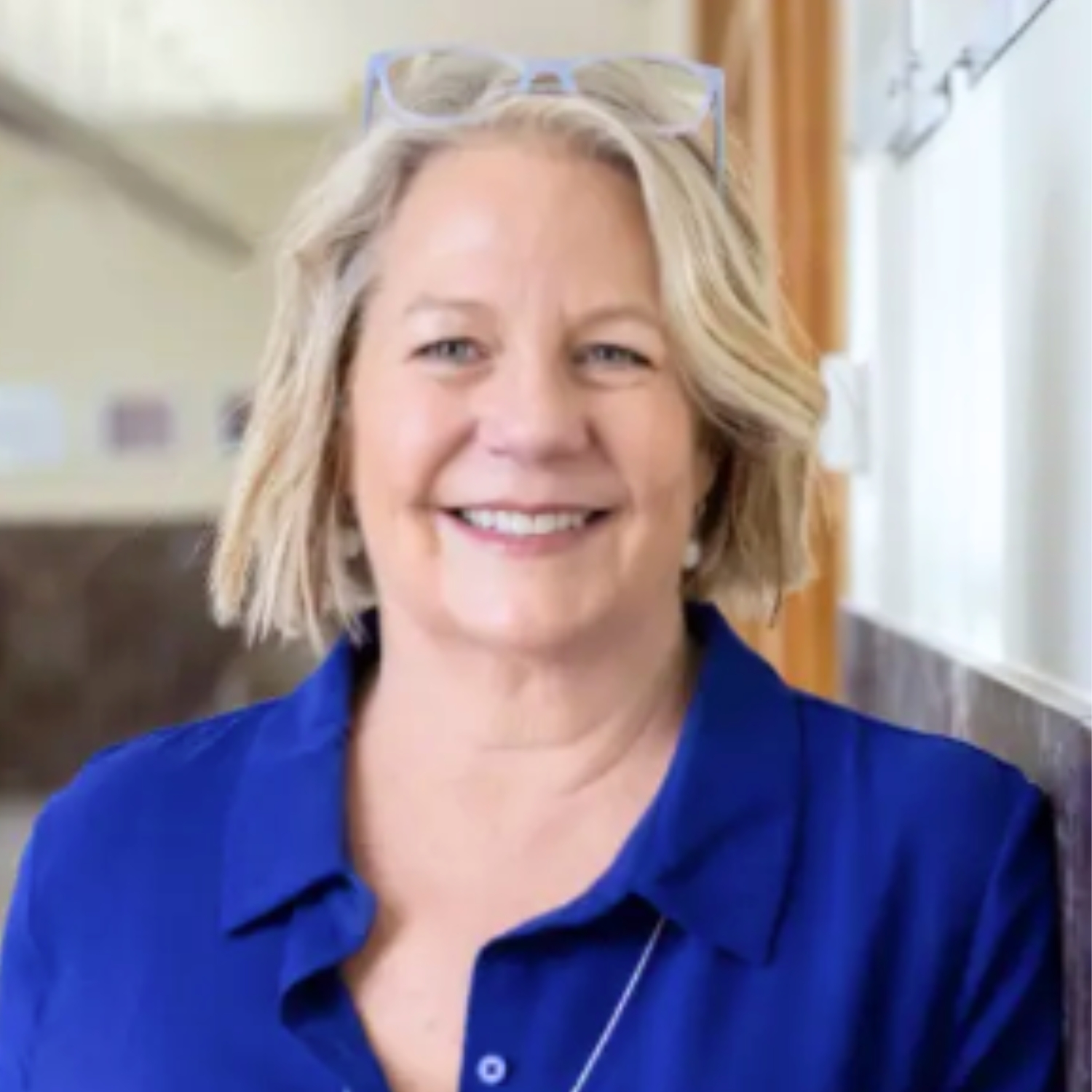
This third dimension, which may result in a more psychologically rich life for some, is being explored in a new study — led by University of Florida psychologist Erin Westgate, Ph.D., in collaboration with Shigehiro Oishi, Ph.D., of the University of Chicago. According to their research, some people prioritize variety, novelty and intellectually stimulating experiences, even when those experiences are difficult, unpleasant or lack clear meaning.
“This idea came from the question: Why do some people feel unfulfilled even when they have happy and meaningful lives?” Westgate said. “We found that what was missing was psychological richness — experiences that challenge you, change your perspective and satisfy your curiosity.”
Westgate and Oishi’s research shows that a psychologically rich life is distinct from lives defined by happiness or meaning. While happiness focuses on feeling good, and meaning is about doing good, richness is about thinking deeply and seeing the world differently. And for a significant minority of people around the world, that third path is the one they would choose — even if it means giving up happiness or meaning.
According to Westgate and Oishi, psychological richness is defined as a life filled with diverse, perspective-changing experiences — whether these are external, such as traveling or undertaking new challenges, or internal, like absorbing powerful books or pieces of music.
Unlike happy or meaningful experiences, rich experiences are not always pleasant or purposeful.
“College is a good example. It’s not always fun, and you might not always feel a deep sense of meaning, but it changes how you think,” Westgate said. “The same goes for experiences like living through a hurricane. You wouldn’t call it happy or even meaningful, but it shakes up your perspective.”
Researchers in Westgate’s lab at UF have been studying how people respond to events like hurricanes, tracking students’ emotions and reactions as storms approach. The results show that many people have viewed these challenging experiences as psychologically rich — altering how they saw the world, even if they didn’t enjoy them.
While the study is new, the concept has been years in the making. Westgate and Oishi first introduced the term “psychologically rich life” in 2022, building on earlier research and scale development around 2015. Their latest paper expands the idea, showing that the concept resonates with people across cultures and fills a gap in how people define well-being.
While many people ideally want all three — happiness, meaning and richness — there are trade-offs. Rich experiences often come at the cost of comfort or clarity.
Westgate hopes the study will broaden how psychologists and the public think about what it means to live well.
“We’re not saying happiness and meaning aren’t important,” Westgate said. “They are. But we’re also saying don’t forget about richness. Some of the most important experiences in life are the ones that challenge us, that surprise us and that make us see the world differently.”
Editor’s note: This is the latest in a series of columns sponsored by the University of Florida.
Suggested Articles
No related articles found.