



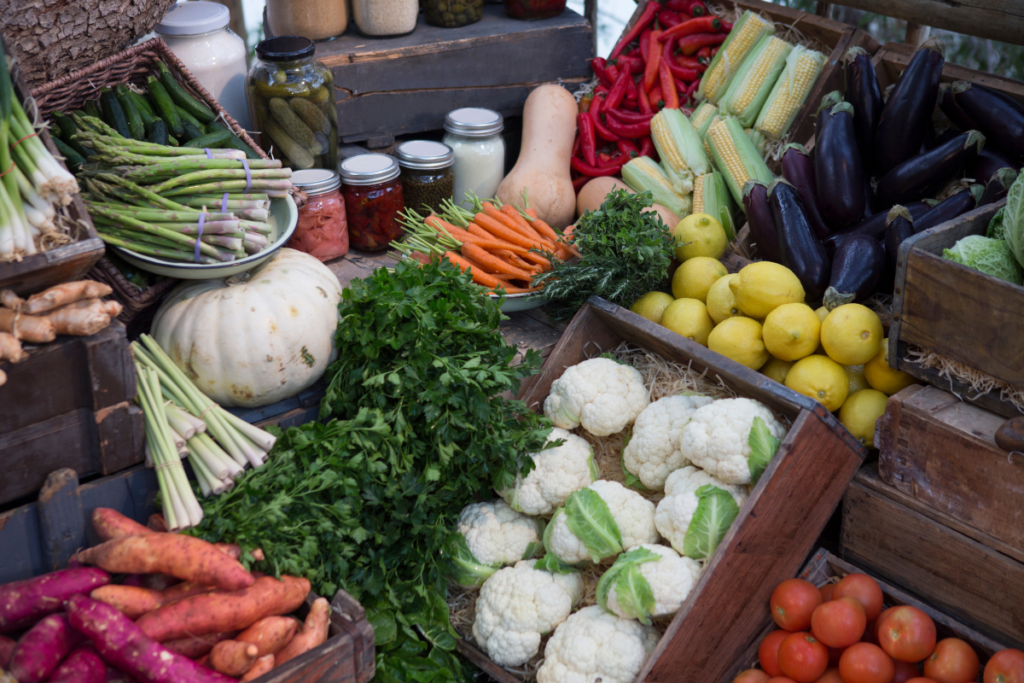
Brenda Corrujo Orraca carefully browsed the pantry shelves, turning items over –– a sleeve of unsweetened applesauce, a bag of oats –– to scan the nutrition label before gently placing them in a bag at her feet. A medical student pointed her to the boxes of fresh produce set up on a table outside the blue Mobile Food Pharmacy bus. She weighed the full paper bag and handed it back, giving Orraca a survey instead of a receipt.
“It’s like a Christmas present,” Orraca said.
The Mobile Food Pharmacy operates as part of the University of Florida’s Equal Access Clinic Network, a group of student-run clinics that provide free healthcare to underserved communities. Since its founding in 2024, the Mobile Food Pharmacy’s bus has parked in food deserts across Gainesville to distribute fruits, vegetables, meat and other nutritious foods to current Equal Access Clinic Network patients at no cost.
Orraca, who is staying with a friend in Citra, Florida, while searching for a new job, was excited to hear the refrigerated bus offered vegan options. After catching a ride to her appointment, she stocked up on replacements for essential groceries she had been stretching for weeks prior to her visit.
Program director Lucy Guerra, M.D., M.P.H., explained that eating healthy is easier said than done for many patients. Lack of transportation, high living costs and other social barriers can contribute to food insecurity and make it difficult for patients to care for their chronic conditions.
“Medicine as a whole underestimates how important food security is to a patient’s health,” she said. “We can tell them to take insulin and tell them to change their diet and tell them to take blood pressure medication, but if patients don’t have access to good, healthy food, it can be a challenge.”
The Mobile Food Pharmacy helps combat this potential hitch in a patient’s health journey by routing groceries to their clinic locations two to four nights every month. This year, the bus has already distributed over 3,000 pounds of food.
More patients are using the food pharmacy than ever in 2026, with a higher volume of returning patients.
At the clinic, a physician will typically fill out a “food prescription” for a patient after they are seen. To determine what foods will be most beneficial, the prescription notes chronic conditions such as hypertension, diabetes and other physical factors such as pregnancy.
In addition to considering their health conditions, the team is mindful of dietary preferences. They work with patients to respect cultural, religious or philosophical restrictions by offering a wide variety of nourishing foods.
Moving forward, the team hopes to expand the capacity and reach of the Mobile Food Pharmacy to further alleviate food insecurity in the region.
“It’s good to see that there’s still help for people and communities caring for others,” Orraca said. “They really care about everyone.”
Editor’s note: This is the latest in a series of columns sponsored by the University of Florida.
