



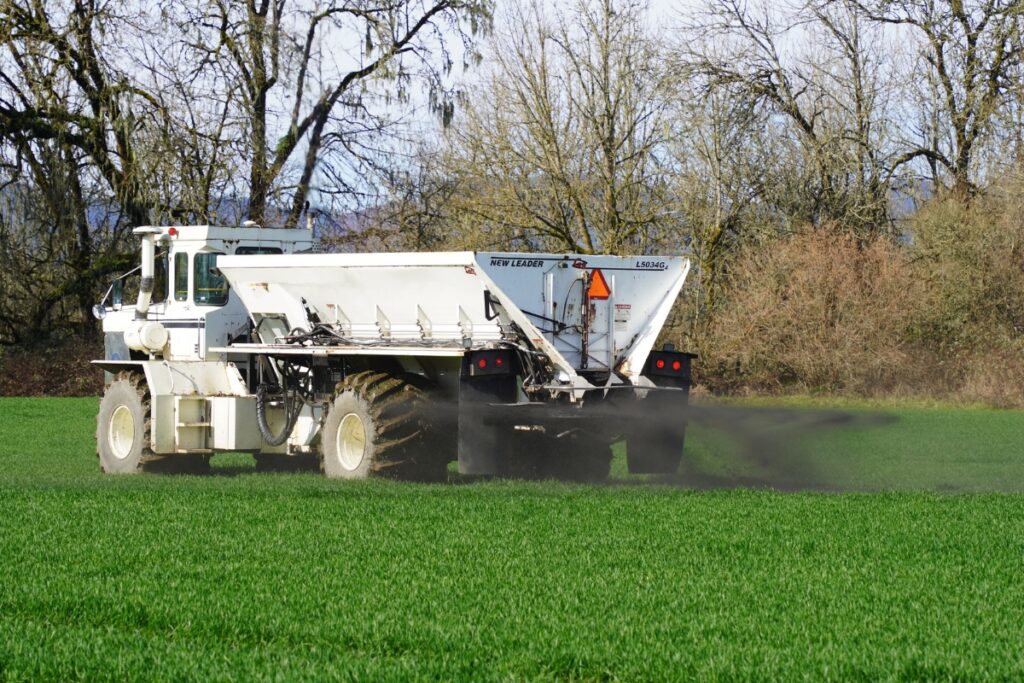
- UF researchers are testing volcanic rock dust to improve soil health across the state’s sandy and organic farmlands.
- A $749,999 USDA-funded, four-year study aims to boost crop productivity while cutting reliance on conventional fertilizers.
- Results could guide soil management in warm, humid farming regions across the South and irrigated landscapes nationwide.
Florida’s soils present unique challenges for growers, land managers and residents. The state’s year-round tropical weather and vast agricultural acreage create ideal conditions, but its soils vary widely from nutrient-poor sandy to highly organic soils, depending on location, prompting research into soil amendments such as volcanic rock dust.
These conditions make it difficult to sustainably manage agriculture in a way that supports food production, environmental health and maintains a strong economy.
To address these challenges, University of Florida researchers are leading a four-year study supported by a $749,999 grant from the U.S. Department of Agriculture National Institute of Food and Agriculture. The collaborative research effort led by scientists at UF’s Institute of Food and Agriculture and Sciences (UF/IFAS) and the UF College of Liberal Arts and Sciences (CLAS) will assess the potential of using several types of basaltic rock dust as an amendment to improve soil quality, boost crop growth and support sustainable farming across Florida.
“As part of this effort, the research will focus on two types of soils, organic soils in South Florida used for row crop production such as sugarcane and rice, and mineral soils in Central Florida associated with perennial grass pastures,” said Jehangir Bhadha, associate professor of soil, water and ecosystem sciences at UF/IFAS Everglades Research and Education Center in Belle Glade and one of three principal investigators on the grant.
While the research is rooted in Florida’s unique conditions, its implications extend far beyond the region. Findings from the project could help guide soil management strategies in other warm, humid agricultural areas across North America facing similar challenges. These include Texas, Louisiana, Alabama, Georgia and areas that rely heavily on irrigation like Arizona and southern California.
Simultaneously, the research team is assessing the economic feasibility and scalability of using basaltic rock dust in real-world agricultural operations. Long-term benefits under evaluation include remineralization of depleted soils, stabilization of organic carbon and the supply of major and micronutrients that could reduce reliance on conventional fertilizers.
“The study will test different types of basaltic rock dust, at different rates, and different particle sizes to assess the most suitable blend that would be most beneficial for specific agronomic practice,” Bhadha said. “Identifying an optimum blend of the volcanic rock will be key to developing a cost-effective, eco-friendly, sustainable solution that the Florida agroindustry can benefit from.”
Rosvel Bracho, associate research scientist specializing in ecosystem carbon, nutrient and water dynamics at the UF/IFAS School of Forest, Fisheries, and Geomatics Sciences and a co-principal investigator on the grant, will oversee research on perennial pastures to evaluate whether basaltic rock dust can be effectively incorporated into mineral soils. This will take place at the UF/IFAS Range Cattle Research and Education Center in Ona.
Co-principal investigator David Foster, a Department of Geological Sciences professor and interim associate dean of research for CLAS with expertise in tectonics, geochemistry and volcanic soil amendments, will conduct geochemical and mineralogical characterization of the basaltic rock dust to determine optimal compositions and particle sizes best suited for field applications in Florida.
“While stabilizing the carbon pool in organic soils presents a significant challenge, improving the poor fertility of mineral soils is an equally important priority,” said Bhadha.
Both organic and mineral soils present opportunities to test basaltic rock dust because of the inherent limitations of these soil types to intensive agricultural practices in Florida. Evaluating the feasibility of utilizing basaltic rock dust as a soil amendment will provide growers with the option of whether to incorporate it into their farming program.
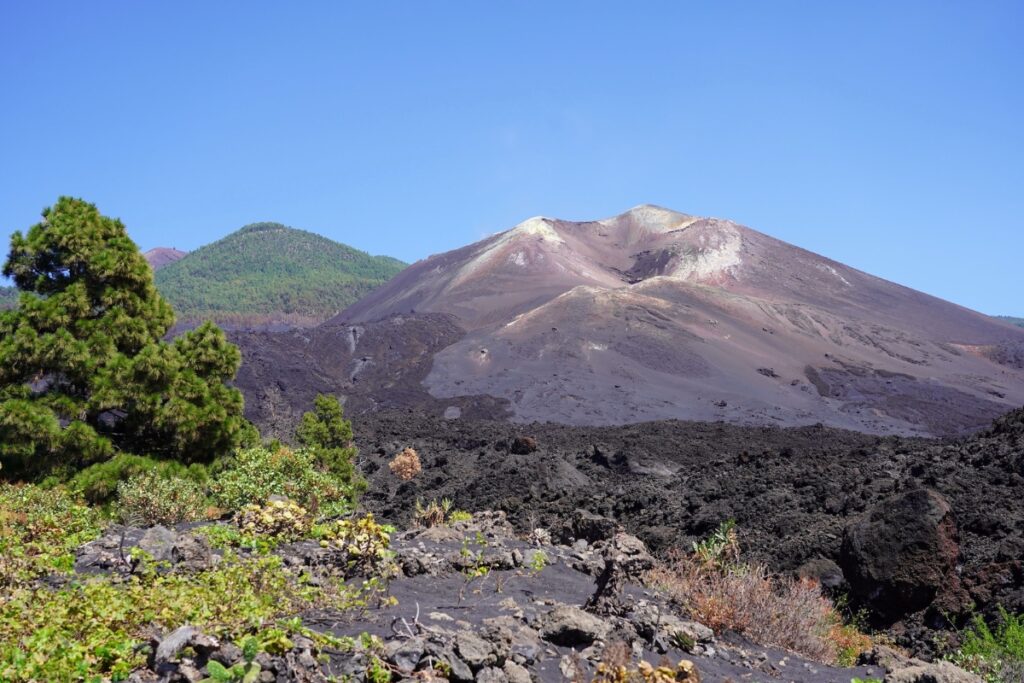
“The potential of enhanced rock weathering and its effect on soil health will only be realized when the agricultural benefits are proven and economically viable in Florida, where weathering rates are fastest,” said Bhadha. “That amendment makes it a promising candidate for subtropical agricultural systems, where improving soil function is both a scientific and economic priority.”
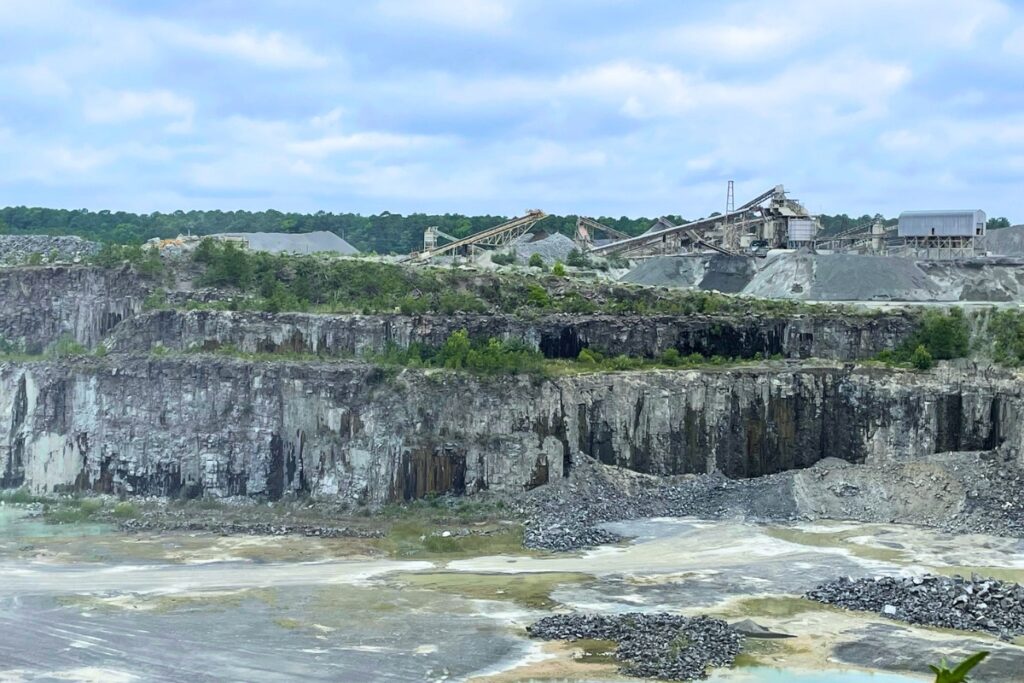
Although basaltic rock dust is not currently available in large quantities within Florida for broad agricultural use, it is easily accessible at smaller scales. The material is available from national suppliers who ship bagged products into the state, garden supply retailers and online distributors specializing in soil mineral amendments, and two startup companies based in Florida. This makes it practical for use in gardens, landscapes and research.
Research is underway in row crop production in the Everglades Agricultural Area and in perennial cattle pastures at a long-term USDA research site in Hardee County. These sites allow researchers to evaluate how the material performs across different soil types, management practices and production goals.
Suggested Articles
No related articles found.
Basaltic rock dust in Florida? From where?