



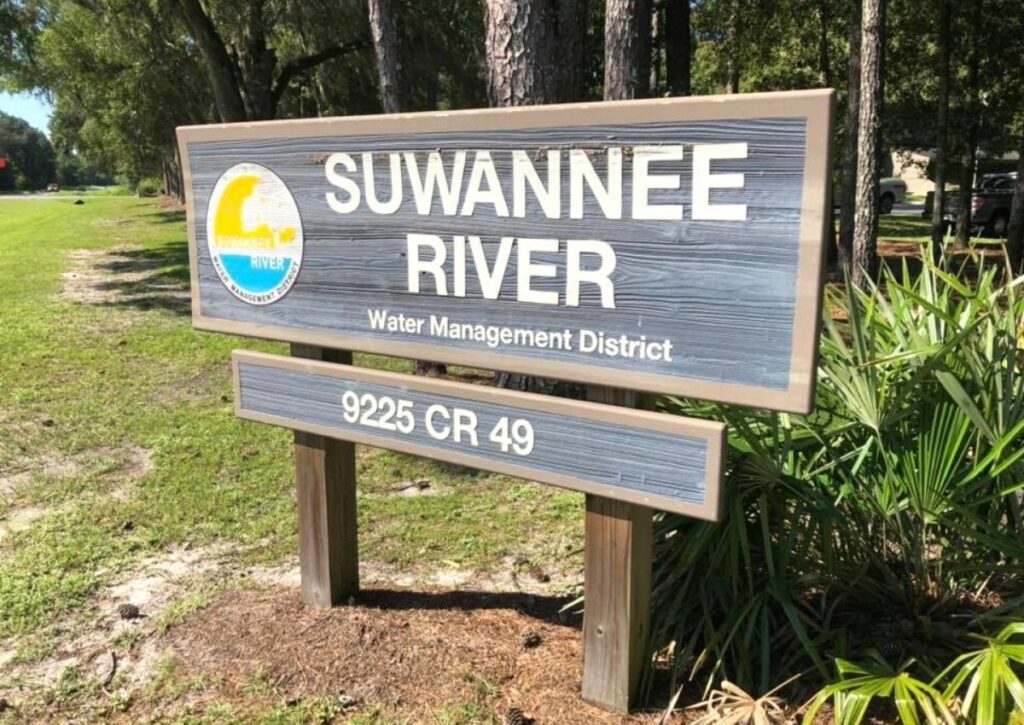
- The Suwannee River Water Management District extended its Modified Phase II Water Shortage Order through Dec. 31, enforcing irrigation restrictions and urging conservation.
- Below-average rainfall in June contributed to worsening drought conditions across the Suwannee River Water Management District, prompting officials to continue urging residents, businesses and visitor
Below-average rainfall in June contributed to worsening drought conditions across the Suwannee River Water Management District, prompting officials to continue urging residents, businesses and visitors to conserve water.
According to the District’s latest Hydrologic Conditions Report released on Thursday, the region received an average of 4.72 inches of rainfall during June, well below the long-term monthly average of 6.75 inches recorded from 1932 through 2025. The 12-month rainfall deficit increased to 18.69 inches by the end of June, up from 17.97 inches at the end of May.
The report comes as the District extended its Modified Phase II Water Shortage Order through Dec. 31 on Wednesday, which includes mandatory irrigation restrictions and encourages voluntary water conservation measures until conditions improve.
Notable highlights from June include:
- The District received an average rainfall of 4.72 inches compared to the 6.75-inch average from 1932 to 2025. The 12-month period ending June 30 reflected a Districtwide rainfall deficit of 18.69 inches, an increase from the 17.97-inch deficit seen at the end of May.
- District counties ranged from almost 3.5 inches to more than 6.5 inches of rainfall on average, with parts of Hamilton, Jefferson, Lafayette, Levy, Madison, Suwannee, Taylor, and Union receiving more than 7 inches of rain.
- Rainfall deficits for the past 12-months vary in each river basin. Areas in the southern Waccasassa Basin showed the lowest deficit amounts overall, approximately 8 inches. Areas with deficits greater than 23 inches were observed in each of the District’s 5 major river basins.
- River gages in the District finished June in the extremely low (less than 10th percentile) to above normal (75th to 100th percentile) flow ranges. Many river gages showed increased flows due to heavier, localized rainfall in South Georgia and North Florida.
- Upper Floridan Aquifer levels across the District ranged from extremely low (less than 10th percentile) to normal (25th to 75th percentile) levels for the month and ended June around the 11th percentile.
- The National Oceanic and Atmospheric Administration (NOAA) three-month seasonal outlook suggests above-normal temperatures along with equal chances of above, near, or below normal precipitation from July through September.
- The U.S. Drought Monitor report released on July 9th shows District counties in one of three categories – Moderate Drought, Severe Drought, or Extreme Drought. Exceptional Drought conditions were no longer observed in the District by the end of June.
The full report can be found on the District’s website under the Science & Data tab. It is typically updated the second week of each month, and reports from the previous five years are available for viewing.
Headquartered in Live Oak, the Suwannee River Water Management District protects and manages water resources across 15 north-central Florida counties using science-based approaches that support both natural systems and public water needs.
Suggested Articles
No related articles found.
Ooh, I know! Just build another golf course. Or maybe a bottling plant!