



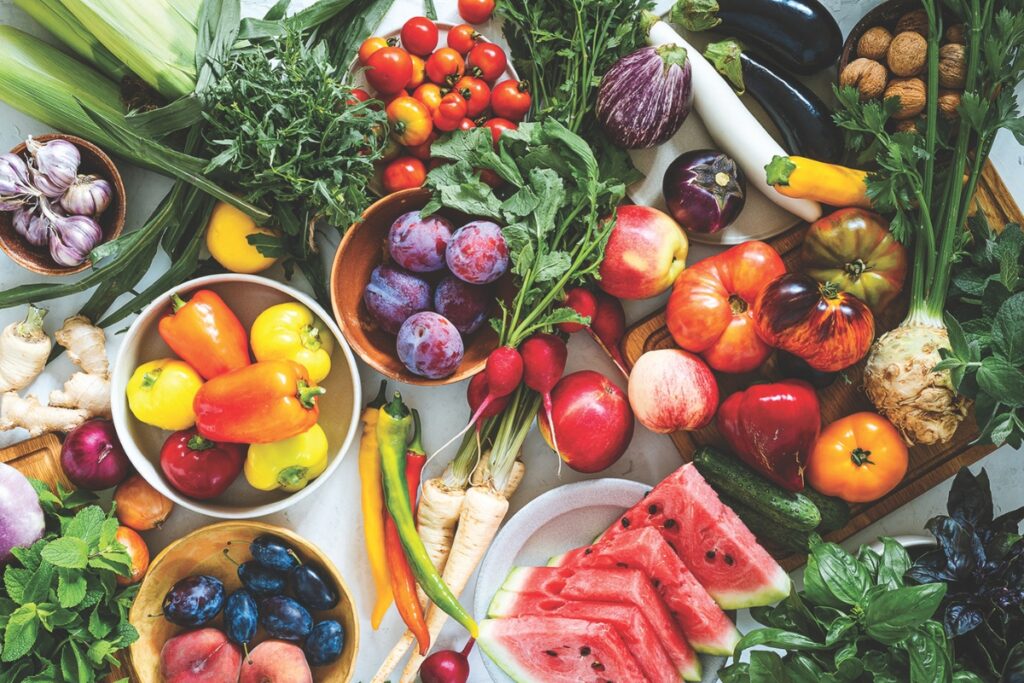
There are many ways to put out a fire. Smother it with a blanket. Douse it with a fire extinguisher. In most cases, though, you’d reach for water. It’s the simplest solution.
For conditions like chronic inflammation, your first line of defense is nutrition.
A new study published in the Journal of the American Board of Family Medicine looked at whether daily intake of nutrients purported to be anti-inflammatory indeed reduced inflammation.
“We’ve been focusing on inflammation for a long time,” said Dr. Arch G. Mainous III, the study’s lead author and a professor in the UF College of Medicine. “We know what can cause inflammation, and we know what diseases are associated with it. But I think we need more focus on options to intervene and decrease inflammation.”
There are different types of inflammation. Some, like controlled burns in areas prone to wildfires, are beneficial. After you exercise, and during a fever, your body experiences necessary inflammation.
Prolonged inflammation, however, can contribute to the development of cancer, diabetes and heart disease. And hyperinflammation during a severe case of COVID-19 is linked to a higher risk of dying because of the strain it puts on the body.
A key problem with existing research, Mainous said, is its tendency to rely on an idea that is biologically plausible without doing the research to prove the connection exists. In this case, tying diet to inflammation.
The researchers used National Health and Nutrition Examination Survey data from 2021 to 2023 to analyze adults’ eating habits across the United States. They tracked levels of a protein that is highly sensitive to inflammation, like a canary in a coal mine.
The result? One that is, perhaps, intuitive: A diet with nutrients like folate and vitamin C lowers inflammation — but you would need to eat far more than recommended dietary levels to reap the reward.
If that feels overwhelming, the study also demonstrated a link between the recommended daily values of dietary fiber and magnesium and lower levels of inflammation. For the average adult, a good rule of thumb is 14 grams of fiber per every 1,000 calories, while magnesium can be found in foods like leafy greens, nuts and legumes. Not every nutrient needs to be consumed in the same amount to make an impact.
“I was actually a little surprised that for a lot of them, the recommended daily value was a level where we started to see a demonstrable effect,” Mainous said. “I didn’t know if we would have to go way above that to see an effect.”
In an era of social media-inspired trends such as protein and fiber “maxxing,” understanding what happens when a nutrient is consumed in excess provides context for a cultural phenomenon. Spoiler alert: Most of the time, very few aspects of our diet, if any, perform better at extreme capacity.
“I think people are looking for healthy ways to eat,” Mainous said. “I think they want to do better than good. But I always want to ensure we link back to evidence. Does this stuff actually work? Does this really do it?”
In short, dietary recommendations backed by scientific research help make it all make sense.
“If you want to get up to the recommended level of something like fiber or iron, for example, I’m all for it,” Mainous said. “But if you’re trying to triple that, you might cause more problems for your health, instead of improving it.”
Suggested Articles
No related articles found.