



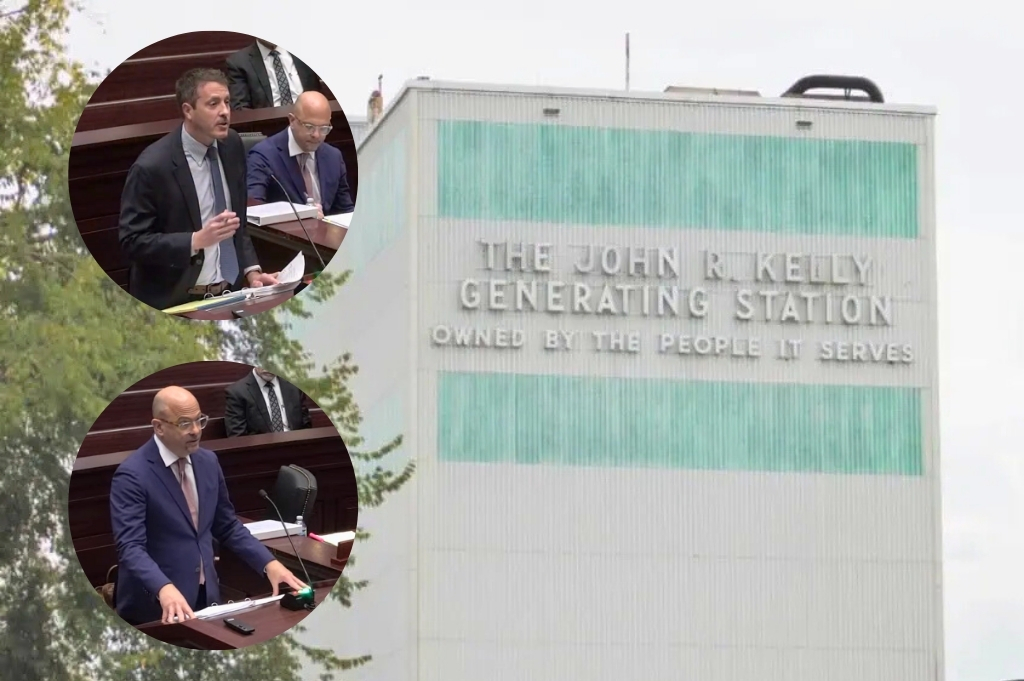
The Florida First District Court of Appeal questioned lawyers for the city of Gainesville and the Gainesville Regional Utilities Authority during oral arguments on Tuesday, debating what the Florida Legislature intended when it passed House Bill 1645 in 2023 and whether that preempts the city’s Home Rule powers.
The appeal court will now deliberate and rule on the case, but there’s no timeline for when a decision will be made. It could easily stretch past weeks and into months—like a decision last year concerning Alachua County.
HB 1645 created the Gainesville Regional Utilities (GRU) Authority and removed the Gainesville City Commission from management control of the utility. But the city argues nothing in the bill, which was inserted into Gainesville’s charter as Section 7, prevents the City Commission from amending its charter through a voter of the citizens and deleting Section 7 altogether.
“But certainly, under their theory, and it seems to me under most theories, that you’re nullifying what the Legislature did,” Judge L. Clayton Roberts said. “That they passed an act and you undid it at the first possible time.”
Just 13 months after the GRU Authority took over management, city voters lined up at polling precincts and voted to return the City Commission to power, with 72.5% of the vote. A second referendum happened in 2025.
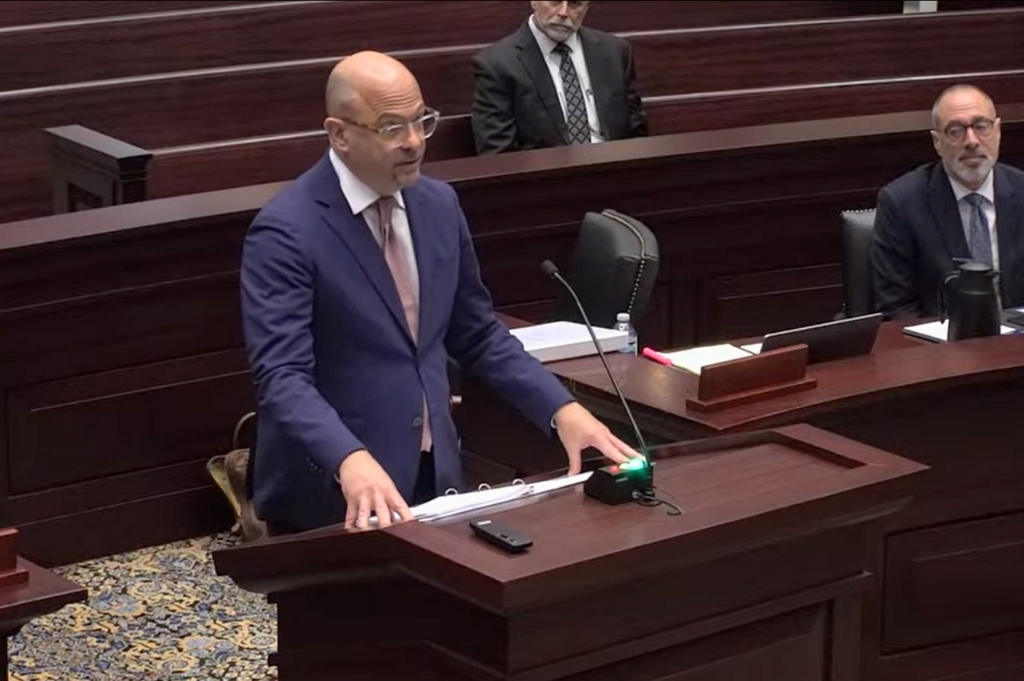
Attorney Sam Salario, representing the GRU Authority, said the bill text and context around the passage clearly show the Florida Legislature intended the new authority to stay in place no matter what locals thought.
Salario said the Legislature could have asked voters if they wanted the GRU Authority. Instead, he pointed out that the Legislature explicitly voted against an amendment to put the question to the people.
“What that context tells you is that the [Legislature] intended to remove the authority from any local say so,” Salario said.
In 2018, the Legislature did ask Gainesville voters if they wanted to create an authority to manage GRU instead of the City Commission. Under this format, the City Commission would appoint the authority members, but voters rejected the option.
Salario and the GRU Authority pointed to the text of Section 7 (subsection 10.2) as proof the Legislature intended the change to be permanent and outside of City Commission influence.
That subsection says: “In the event that any City charter provision, ordinance, resolution, decree, or any part thereof conflicts with the provisions of this article, the provisions of this article shall govern.”
Salario said the city is in direct rebellion with the will of its governing body. The entire city entity exists at the will of the Florida Legislature, elected by the entire state electorate.
“The city of Gainesville is engaged in insurrection against the state government, asserting an unprecedented power to destroy an independent authority the Legislature created and explicitly shielded from local interference,” Salario said at the start of his arguments.
“Counselor,” Roberts interjected. “Insurrection is a little strong. Maybe nullification is a proper term?”
“Revolt. Rebellion. I think it is acting in a manner that is demonstrably inconsistent with what the Legislature expressly said it was doing, and what the Legislature doubtless meant to do,” Salario responded.
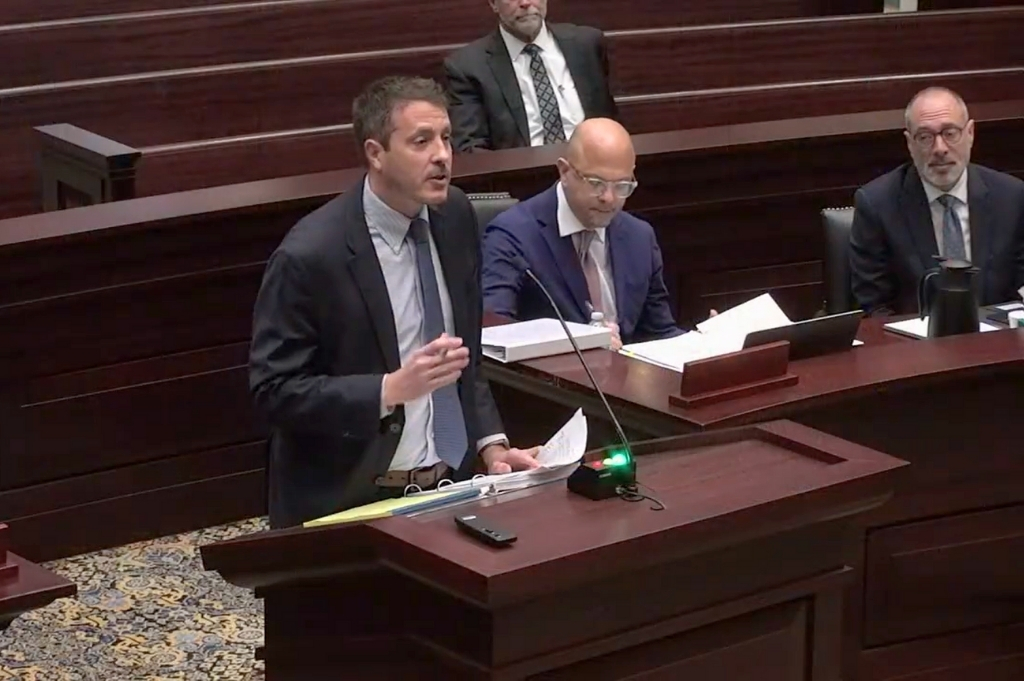
But Joe Eagleton, representing the city of Gainesville, said regardless of intent, the provisions in Section 7 don’t preclude the City Commission from changing its charter, even the elimination of provision added by the Legislature.
The Legislature knows how to create an independent authority, Eagleton argued. He pointed to the Gainesville-Alachua County Regional Airport Authority that is used to manage an airport sitting on city-owned land.
But the Legislature chose to make the GRU Authority a unit of city government and still within the city’s charter. The subsection of Section 7 pointed out by Salario is an operational directive but not a preemption from amending the charter, Eagleton said.
“Do you think that the Legislature goes through the whole legislative process and passes a bill in both the House and the Senate and sends it to the governor and the governor signs it when they know it’s a futile act,” Roberts asked.
Eagleton said the attorneys and judges aren’t in a position to estimate what the Legislature intends or does not intend. He said it comes down to the text.
Judge Thomas Winokur asked if Eagleton meant that Section 7 would need an explicit statement that the city is prohibited from repealing the Section 7 in order to stop the charter change.
Winokur followed up with a theoretical question about another law. What if the city adds something to the charter in violation of Florida’s general or special law concerning firearms or banned substances. Wouldn’t the charter amendments be invalid for being in violation with state law?
“Yes, Judge Winokur, I think if the Legislature intended for the city of Gainesville not to be able to amend this provision through its Home Rule authority, then the Legislature needed to say so,” Eagleton said.
Until the appeal court rules, the GRU Authority remains in control of the utility, its employees, revenues and debts. Both referendums, passed in November 2024 and 2025 to dissolve the GRU Authority, are held in check by the court case.
The lower court sided with the city of Gainesville, saying the City Commission could amend the charter to remove Section 7 through a vote of the citizens.
Suggested Articles
No related articles found.
“In the event that any City charter provision, ordinance, resolution, decree, or any part thereof conflicts with the provisions of this article, the provisions of this article shall govern.”
It says charter – is that not clear enough?
(1) The fact remains: It was wrong of the lege to remove an entity, built and paid for by the City of Gainesville, from control of the City. (2) If the lege felt it HAD to remove control from the City Commission, why didn’t it create an elective authority, not a gubernatorial appointed body.
I thought our republican party was for local rule and small government. When did we lose our way and start letting the fat cats in Tallahassee let their buddies get rich off our utility while it goes in even greater debt that we’ll have to pay for. GRU has tons of problems and these carpet baggers in the capital are making it even worse.
Alachua county?city of Gainesville money grad. If they learned to live within their budget, like most of us, we wouldn’t be in so much trouble. Instead of deciciding what is VITAL and then budgeting accordingly they whim and waffle and we end up with outrageous proerty taxes. This is an example of poor governance.