



- The city of High Springs fired Finance Director Diane Wilson over a missed $900,000 payment.
- City officials criticized the firing as sudden and unfair due to lack of public or private prior notice.
- The missed bill was paid in November 2025 after draining emergency cash funds, revealing past financial mismanagement.
- City Manager Jeremy Marshall said software upgrades are underway to prevent future purchase order oversights.
The city of High Springs fired Finance Director Diane Wilson on Thursday following disputes over responsibility for missing a $900,000 payment for the city’s new wastewater facility.
Wilson did not attend the Jan. 22 special meeting where the matter surfaced.
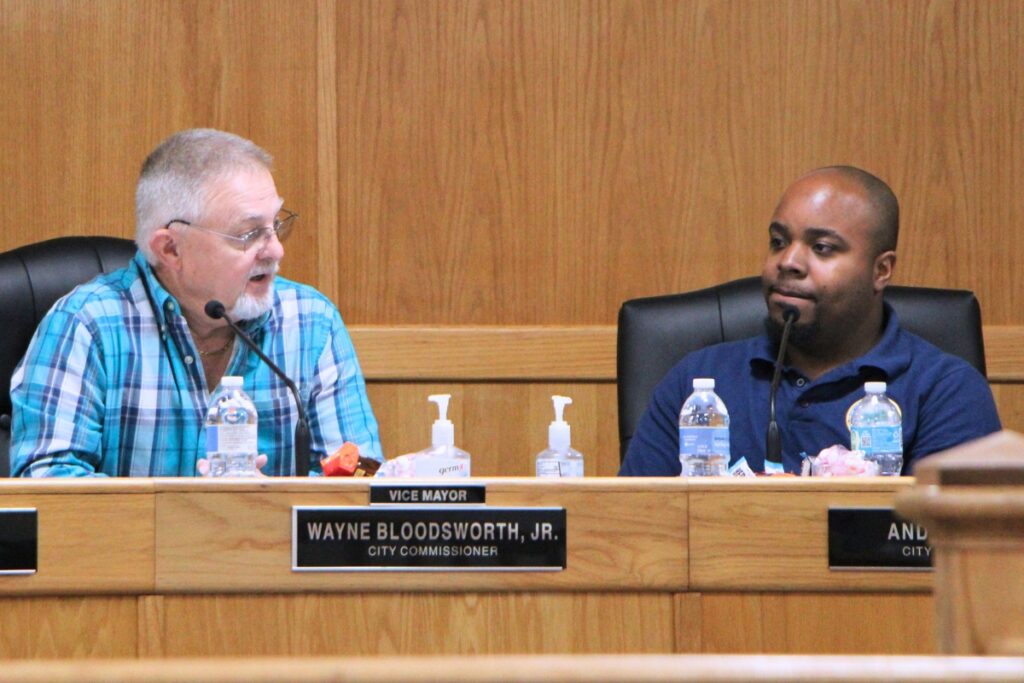
Vice Mayor Wayne Bloodsworth Jr. said City Manager Jeremy Marshall called him earlier that day to inform him of Wilson’s firing.
Bloodsworth chastised Marshall’s decision, calling it a disappointment and unfair since there’d been no public or private indication that it was coming.
“We are tearing this city down by demonizing our employees,” he said. “I’m ashamed of how we are right now. And then, after what happened today, I don’t know what else to say. I’m floored by what happened today.”
In November, the City Commission drained its emergency cash funds to pay the $896,861.35 bill from Evoqua Water Technologies for its new wastewater treatment facility.
Although the purchase order had already been approved nearly three years earlier when the project started, it hadn’t been paid like the others.
Wilson said in November that city staff communication at the beginning of the project was a disaster and that she’d been sent home for a few months when only six months into her job. She said the finance department didn’t have documentation of the bill that it now has.
Wilson and Commissioner Katherine Weitz said in November that the incident seemed to be another example of hidden misspending consistent with former City Manager Ashley Stathatos, who resigned in November 2023.
But Wilson said the bill probably went across her own desk at some point and she should’ve known about it.
“There was a lot I did not know, but it was my responsibility to know, even though I was new,” she said.
During the Jan. 8 regular meeting, Mayor Andrew Miller and Commissioner Tristan Grunder took issue with how Wilson said she may or may not have known about the bill.
Wilson responded that she wouldn’t have remembered approving the purchase order because she had been in the job for six months, been sent home temporarily and because the finance department approves dozens of orders every day.
While Grunder said he understands everyone makes mistakes, he said a million-dollar error was unacceptable and the way the staff handled it made it possible to happen again.
Wilson tried to refute Grunder, saying she wasn’t going to let him discredit her, before Marshall steered the two away from a public dispute.
“We blame systems, we blame being home, we’ve said all these things. What we have done is absolutely drained this city at this point,” Grunder said. “I’m extremely upset with the way this has gone down. I’m extremely upset with the things I’ve heard from staff members. I am just not very confident at this point and I know a lot of citizens who aren’t either.”
During last week’s special meeting, multiple commissioners called Grunder’s public rebuke of Wilson inappropriate. But they agreed on accountability for what happened with the bill and other decisions made by past administrations that had put the city in a financially fragile position.
In November, Marshall said he’d launch an investigation into how the wastewater facility bill was overlooked.
On Thursday, he said the bill was likely missed because the purchase order had multiple lines of payment within it and that he’d verified there wouldn’t be any more surprises. He said the city was looking for new software to process purchase orders.
Although Marshall said at one point there would be a written report about the bill’s investigation, public commenter Sue Weller said staff told her there wouldn’t be one.
Kevin Mangan, public information officer for High Springs, told Mainstreet the issue of the city’s finance director is a personnel matter with human resources and the city cannot comment on the next steps.
Wilson formerly served as assistant finance director for the city of Gainesville until her position was eliminated following a gender discrimination lawsuit she filed against the city.
Suggested Articles
No related articles found.
Yet another glaring example of elected but unqualified small-town officials’ mis-management.
What is really going on in High Springs?
This article is not accurate. This is not the fault of the former City Manager who tried to fire Wilson for incompetence and insubordination, until then Mayor Weitz improperly interfered, which is a violation of the City Charter. If the former manager had been successful in terminating Wilson, High Springs finances would not be in such a mess. High Springs residents need to demand a forensic audit and a new City Manager. One with prior experience and a strong background in finance.
DW