


Italian researchers recently discovered that unborn babies are more likely to yawn after their mothers do, according to a study published in the Current Biology academic journal.
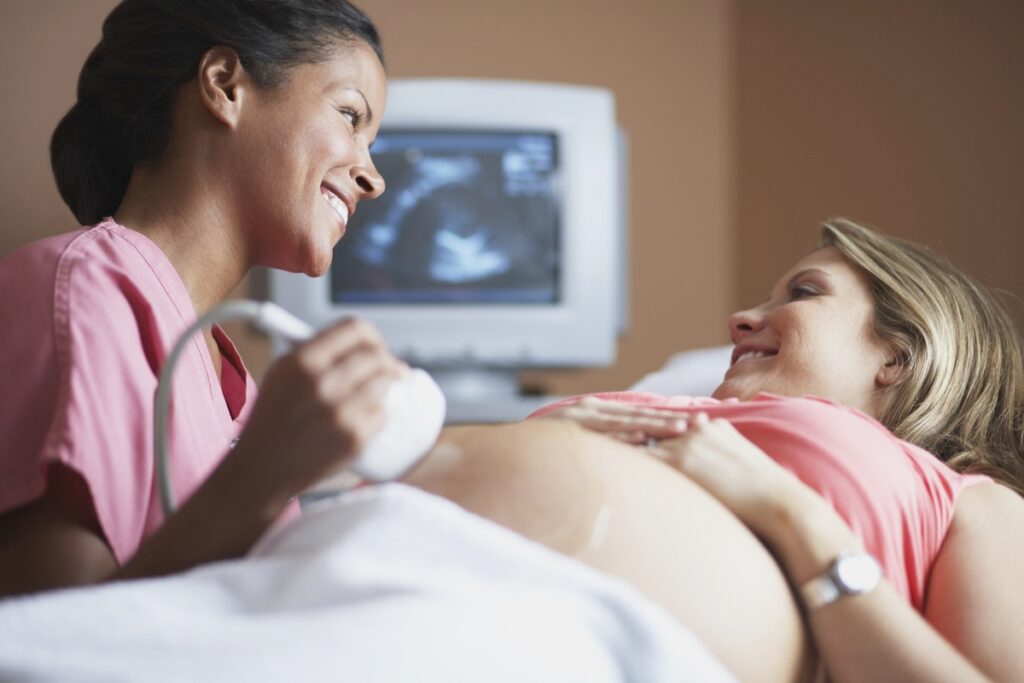
The team from the University of Parma recorded the facial expressions of 38 pregnant women, while simultaneously capturing ultrasound videos and images of their babies’ faces. They found that the babies were more likely to yawn about 90 seconds after their mothers had done so, a similar time interval to the contagious yawning seen in adults.
More than 60% of the mothers in the study yawned about 85 seconds after they began watching a video of yawning. Over half of the babies also yawned soon afterward. They also tended to yawn more frequently if their mothers yawned more. The process could not be faked, according to the study: when the mothers simply opened and closed their mouths, babies didn’t tend to yawn.
Unborn babies’ yawning doesn’t draw in air the same way a typical yawn does, since they receive oxygen through the umbilical cord and placenta. Instead, they open their mouths while performing what could be characterized as practice breath motions with their lungs and diaphragm before closing their mouths. An unborn baby gains the ability to yawn at around 11 weeks of development.
Did the study say why unborn babies contagiously yawn? The babies might be responding to physical cues such as changes in the mother’s breathing and diaphragm movements, researchers said. They also suggested that maternal yawning might trigger a hormonal signal to unborn babies.
Researchers said links between mothers’ and babies’ behaviors merited further study, especially because all the mothers in the study were in their third trimester of pregnancy, making it unclear at what stage of development the linked behaviors emerged.
This story originally appeared in WORLD. © 2026, reprinted with permission. All rights reserved.

Suggested Articles
No related articles found.