




- Intermittent fasting confines eating to an 8-10 hour window, benefiting older adults by improving metabolic health beyond weight loss.
- Studies show older adults practicing intermittent fasting lost about 5.5 pounds and improved walking speed and physical function.
- Intermittent fasting reduces insulin resistance and inflammation, potentially lowering risks of diabetes, heart disease, and Alzheimer's.
A few years ago, Tina and Don Fields, 82 and 81, respectively, were looking for a way to shed some pounds and then maintain their weight. They stumbled upon a book about intermittent fasting (IF) and thought they might have found their solution.
The Fields were not alone in wanting to change their eating habits to stay healthy and feel well. Nor are they alone in trying out IF or time-restricted eating. But does it work, and what is its impact on older adults?
“I think at our age intermittent fasting is really a lifestyle change,” said Tina. “It’s addressing how you eat in a whole new way, and what we discovered is that as we age, we just don’t need the calories. We don’t need that much food. And that we feel much better if we’re not full. So intermittent fasting was to us a very rational and reasonable approach to eating.”
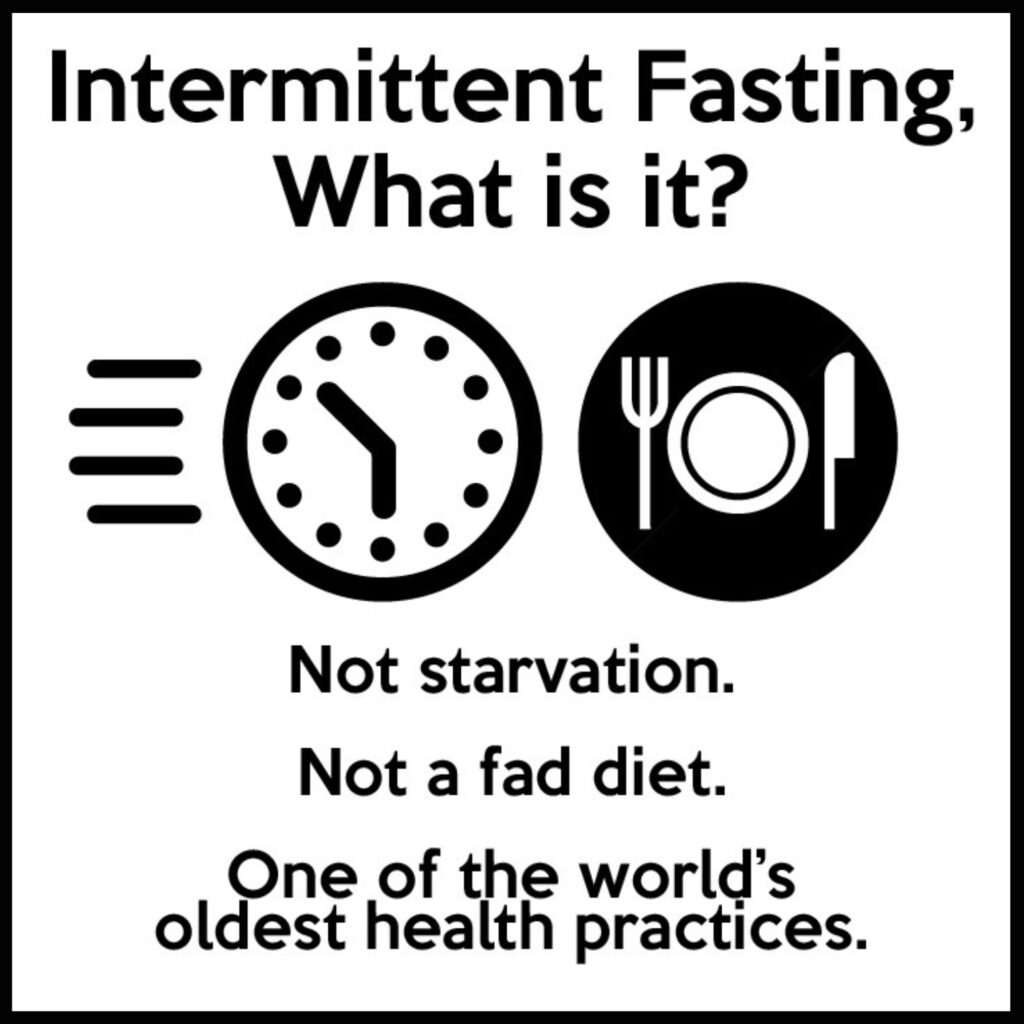
Essentially, IF confines eating to an eight- to 10-hour eating period, when all food is consumed within that window. Then the fasting period begins until the next day. The focus is more on when you eat than on what you eat.
Weight loss should result, but that’s not the only benefit.
“Our goal has never been weight loss alone,” said Dr. Stephen Anton, professor of aging and clinical psychologist at the University of Florida. “I think there are many benefits for all adults, but for older adults, it can help combat some of the changes in metabolism that can occur as we get older.”
IF is also linked to benefits like lower blood pressure, reduced inflammation, improved cholesterol and triglyceride levels, better sleep, clearer thinking, eased arthritis symptoms, and a lower risk of Type 2 diabetes and heart disease. It may even offer some protection against Alzheimer’s disease.
“It can also improve metabolic health by reducing insulin resistance, which, as we get older, we become more resistant to the effects of insulin, and that can lead to metabolic health issues,” according to Anton, who is also the associate director for clinical trials and interventions at the UF Institute on Aging.
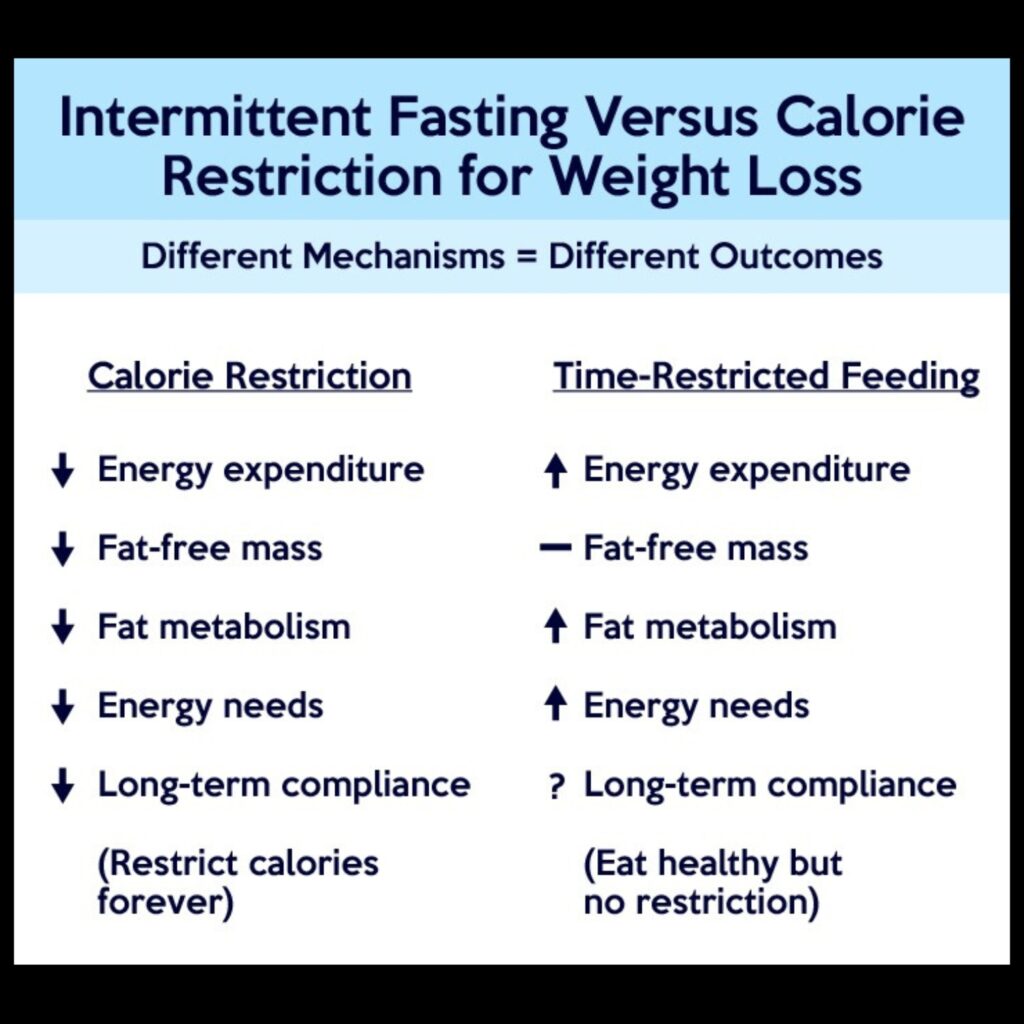
So how does IF work? Basically, it functions by getting the body to burn stored fat for energy after it uses up the calories on hand from your last meal.
“Intermittent fasting contrasts with the normal eating pattern for most Americans, who eat throughout their waking hours,” writes Johns Hopkins University neuroscientist Mark Mattson. “If someone is eating three meals a day, plus snacks, and they’re not exercising, then every time they eat, they’re running on those calories and not burning their fat stores.”
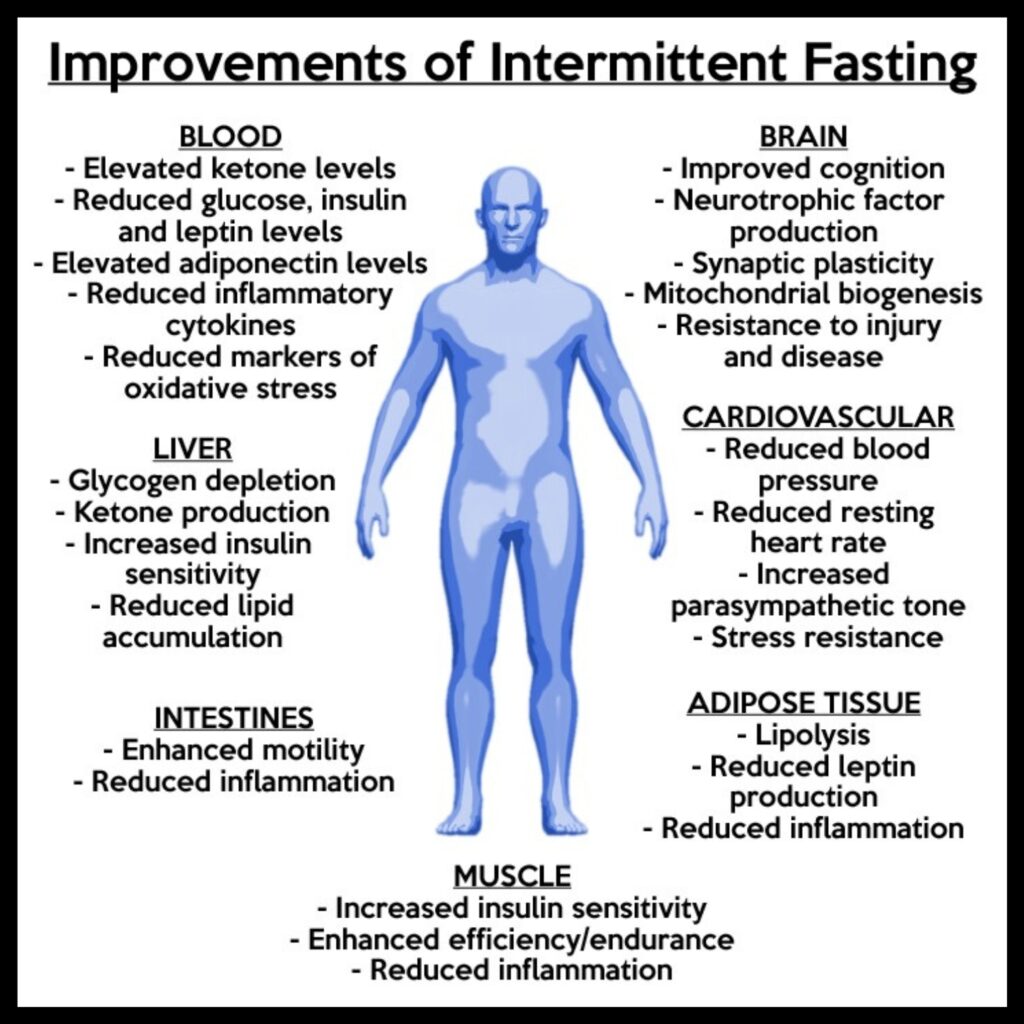
Studies show that IF also helps improve energy levels because of its impact on the mitochondria, which are crucial to cellular energy production.
“I think it can have positive effects on the cellular level, but also broad systemic effects on the metabolic health level. In addition, it seems to be able to preserve muscle mass and lean tissue if done right and paired with a healthy diet and exercise program,” Anton said.
That sounds like what Tina and Don found out for themselves. Don was the one who got started first. He read about it and was intrigued, and then he started doing it. And that got wife Tina’s attention.
“I thought, wow, because I didn’t see that it was hard on him. It wasn’t like a death march, and it wasn’t like a diet. It was just a change,” she said. “But he lost 10 pounds, and he was eating like I was eating, but he was just eating within a certain time. That did it,” Tina said.
“Don pointed out there were times when you would think, I’m hungry. If you wait 20 minutes, and you don’t even have to think about it, just postpone, that is enough to get your mind off it, and you don’t do it,” she added.
Don said he became aware of how much he was overeating after he retired from the aerospace industry and no longer had to attend meetings that often occurred over meals or snacks.
“The day is packed on those days (with meetings), and so you don’t get any exercise at all. You just eat. You exercise your mouth,” Don said. “Once I stopped working and retired, I didn’t do that anymore.”
Because Tina and Don enjoy cooking together and socializing around their evening meal, their eating window reflects that lifestyle preference. And although the recommendation is to start and stop eating earlier in the day, flexibility is key.
“Dinner is the typical time where we have that social meal, and if that’s something that you do often, that’s something to consider,” said Javier Tamargo, a registered dietitian nutritionist who is part of Anton’s team. “Another one is like how you feel when you wake up.”
The Fields consider their way of eating and socializing “more of a lifestyle change than a diet.” And they say that so far it has worked for them.
Anton and his team have conducted three studies on time-restricted eating among older adults. The first was a kind of pilot study in which participants were asked to do all their eating within an eight-hour period for four weeks.
“The individuals lost about 5.5 pounds even though we didn’t tell them to eat less,” he said. “They also improved their walking speed, so they walked a little faster and had better physical function. And there was a trend for their self-reported quality of life to have improved.”
Anton, like Tamargo, sees personal benefit in IF and both engage in time-restricted eating.
“Everything starts getting better as well, and it’s both physiologically because you feel better, but it’s also because behaviorally you’re organizing your day. There are only 24 hours in the day, and if you’re organizing your day around these meals, then other things need to be organized as well, Tamargo said.
Anton emphasizes, however, that while IF focuses on when you eat, what you eat still counts. The focus needs to be on eating healthy foods during the eating window, not ultra-processed or sugary foods.
“That balance is critical,” Anton noted. “Fasting without attention to nutrition could result in muscle loss, especially in older adults.”
What about GLP-1 medications that are now being prescribed not just for people with diabetes, but for weight loss as well? Do they work with time-restricted eating? Both Anton and Tamargo concur that the products are too new to make that determination.
“One of how I think they might work is by helping people to eat less when they do eat and also to go longer periods without eating, without realizing they’re going longer periods without eating because they uh don’t feel hungry,” Anton said. But there are a lot of studies to be done with the GLP-1. We have a lot to learn.
So, what has put the idea of IF so much in the spotlight in recent years?
“It’s been around for thousands of years, but what may have helped it come into vogue is the growing evidence from animal studies that got clinical researchers like me interested in whether it could have benefits for humans,” Anton said. “I think as we learn more about the biology of aging, it has become clear that fasting is a potential intervention (that could) have positive effects.”
Editor’s note: This is the latest story in Mainstreet’s award-winning Aging Matters series. It was independently reported by Ronnie Lovler and underwritten by the University of Florida’s Institute on Aging.
Suggested Articles
No related articles found.