



As drought continues to dry out Florida’s landscapes and wildfires spread, smoke in the air can be hard to ignore. But experts with the University of Florida Institute of Food and Agricultural Sciences (UF/IFAS) say it may also be a sign of efforts to keep fires from becoming more dangerous.
“If you live in Florida, seeing or smelling smoke is just part of life here, and that’s actually a good sign that land managers are doing their job,” said Raelene Crandall, associate professor of fire ecology, UF/IFAS School of Forest, Fisheries, and Geomatics Sciences. “The question is knowing where it’s coming from and what to do about it.”
The new publication, a public guide called “See Smoke? Smell Smoke? Be in the Know,” which Crandall helped author, explains that not all smoke signals an emergency. In many cases, it is part of a long‑term strategy to prevent damaging wildfires.
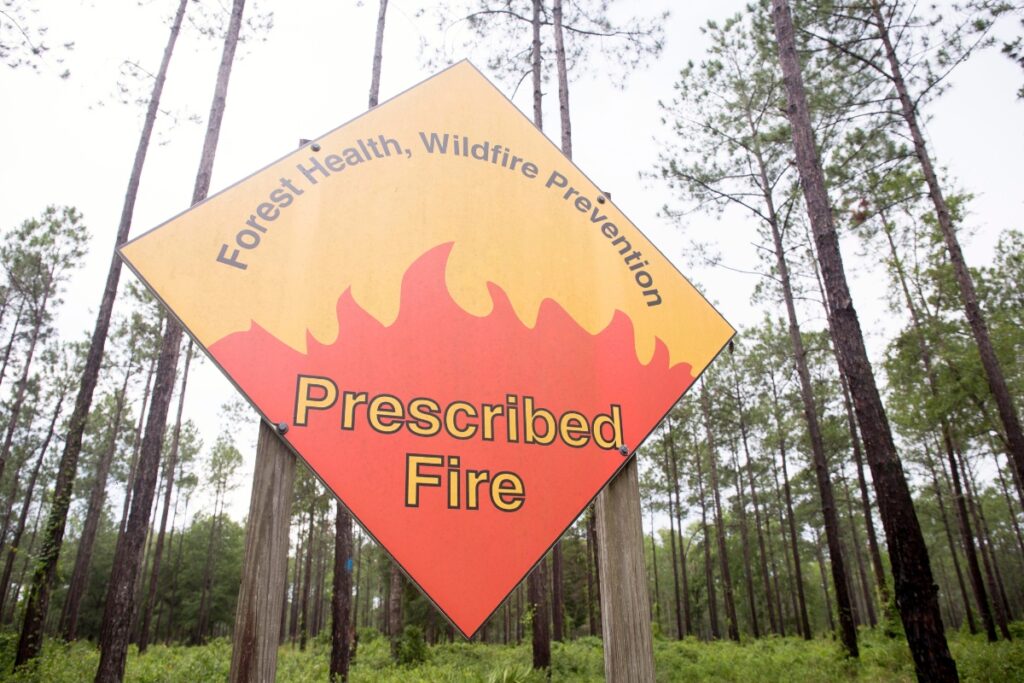
Smoke can affect everyday life, from planning outdoor activities to protecting your health and understanding what is happening in your community. In Florida, where fire is a natural and necessary part of the landscape, knowing the difference between a prescribed burn and an unplanned wildfire can help people better understand what they are seeing, worry less and make safer decisions.
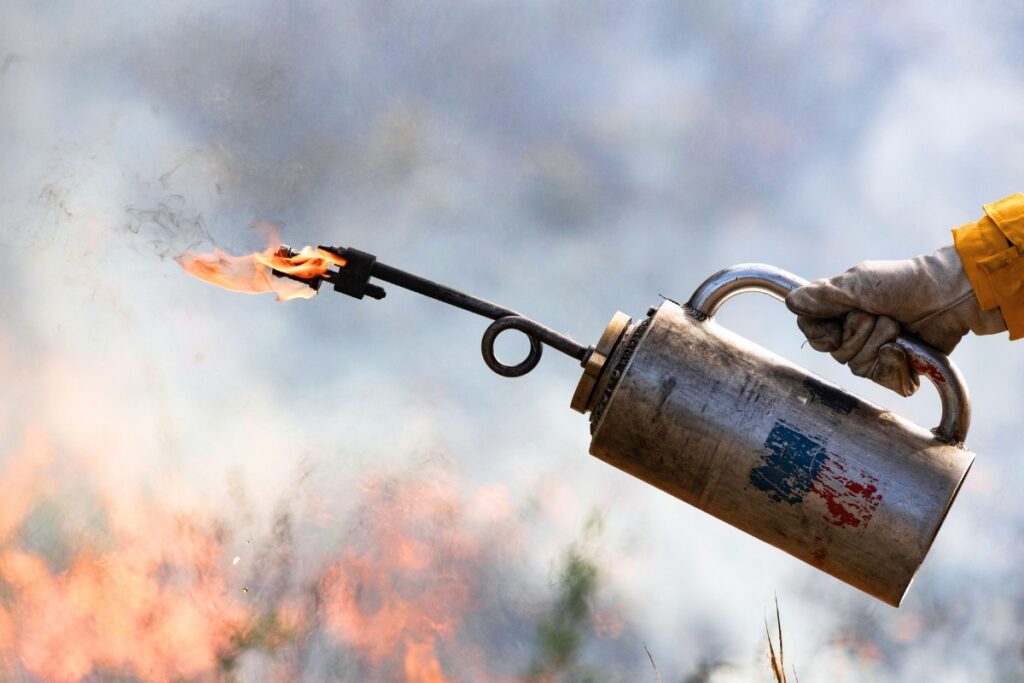
Research highlighted in the guide shows that prescribed fires usually cause less ecological damage than wildfires while supporting wildlife habitat and long‑term forest health. It also notes that wildfire risk increases sharply just two to three years after an area’s last prescribed burn, underscoring the need for regular fire management and citing a Stanford‑linked study showing areas with recent prescribed burns experienced 16% less damage and 14% less smoke during wildfires.

“We don’t want people to panic when they smell smoke,” said Crandall. “There are some really simple, free tools online that can tell you in minutes whether there’s a prescribed fire or wildfire nearby. Knowledge is the best first step.”
The authors offer practical tools to check fire activity and air quality and introduce the public‑facing tools WhyPrescribedFire.org and the Florida Forest Service Fire Response Viewer, which show active burns in real time. These resources can help residents feel more confident and prepared when smoke appears by offering simple ways to stay informed and protect their health.
“Much of the smoke people notice comes from prescribed fires, which are carefully planned to reduce wildfire risk and support healthy ecosystems,” said Crandall. “Knowing that, and knowing where to check for information, can help people better understand what they’re smelling and seeing.”
The authors stress that smoke can travel hundreds of miles, meaning haze may come from fires far outside Florida. Florida’s location, surrounded by water and shaped by daily sea and land breezes, can often help move smoke along and reduce the likelihood of long‑lasting poor air quality, though vulnerable groups such as children, older adults and people with asthma should still monitor air quality closely.
Crandall says, “It’s always worth taking a moment to check what’s going on. I encourage residents to use trusted tools like WhyPrescribedFire.org and the Florida Forest Service Fire Response Viewer to stay informed.”
“See Smoke? Smell Smoke? Be in the Know” is available now through UF/IFAS Extension and includes links to trusted, real‑time tools that allow the public to track active fires, monitor air quality and better understand how fire is managed across Florida’s landscapes.

Suggested Articles
No related articles found.