



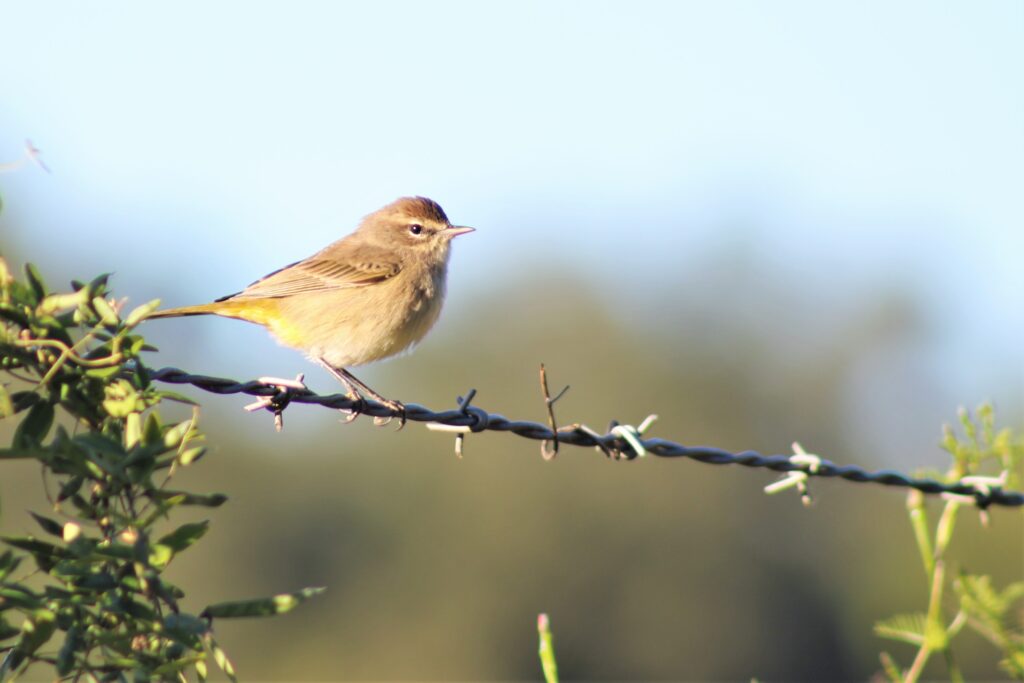
On Thursday evening, Gainesville mayor Harvey Ward issued an official city proclamation to welcome the thousands of visitors the city will see this month, but most residents won’t notice—migrating birds.
The proclamation, which proclaims the period from March 15 through April 15 to be Spring Migration Season in Gainesville, was the brainchild of City Commissioner (and longtime birder) Bryan Eastman.
“I’ve been trying to bring forward more proclamations that highlight things that make Gainesville feel unique, and spring migration is one of those things that’s happening all around us that people don’t always notice,” he said. “The idea that all these colorful birds are passing through right now in bright breeding plumage is just a cool, joyful thing to point out for people that don’t know about it.”
March and April are when birds migrating from their wintering grounds in South and Central America and the Caribbean pass through Gainesville on the way to their breeding territories in the northern U.S. and Canada. For avid birders, spring and fall migration are prime opportunities to spot colorful species they’d otherwise have to travel to see.
Alachua Audubon Society President Debbie Segal accepted the proclamation on behalf of the chapter and thanked Ward and the City Commission for supporting birds and their welfare. She pointed to the city’s construction of Sweetwater Wetlands Park as one of the city’s success stories.
Opened in 2015, the park has become not only a popular spot for locals to enjoy nature and wildlife, but one of the top destinations for birdwatchers across the state. Bird-friendly environments such as Sweetwater Wetlands Park, Segal said, thus benefit the local economy through ecotourism.
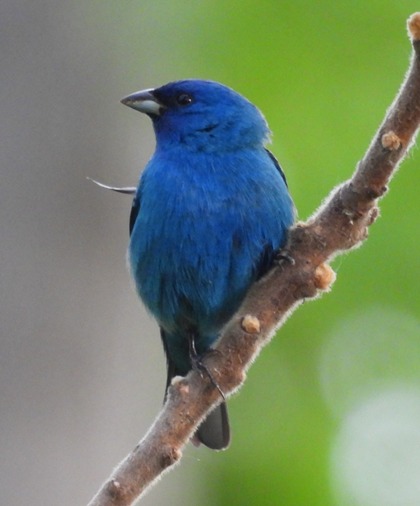
Besides Sweetwater Wetlands Park, favorite spots to look for migrating birds in the Gainesville area include Loblolly Woods, Palm Point Park, and San Felasco Hammock Preserve State Park—but sharp-eyed observers may be able to find them in trees near their home or work. Among the colorful migrants one may encounter locally are flashy black-and-orange American Redstarts, bright yellow Prairie Warblers and stripy Black-and-white Warblers.
Anyone curious to learn more about resident and migrating birds, where to find them and how to identify them is welcome to join Alachua Audubon’s field trips. Beginners are welcome, and most trips are free and open to the public. In addition, Alachua Audubon runs regular beginning birding classes through Santa Fe College’s Community Education program. For more information, visit alachuaaudubon.org.
