


As America prepares to celebrate its 250th birthday, we often reflect on the ideas that have shaped our nation: liberty, opportunity, self-government, and civic responsibility. Less often discussed, but equally woven into the American story, is philanthropy, the enduring belief that individuals can improve lives and strengthen communities.
Long before the United States existed, the roots of philanthropy were already taking hold. More than 4,000 years ago, ancient Hebrew societies established systems requiring support for the poor. In ancient Greece, the word philanthropy emerged, combining the concepts of love and humanity. Philosophers like Plato encouraged citizens to contribute to the public good, while leaders in the Roman Empire organized aid.
These early ideas laid the foundation for a concept that has evolved over centuries: communities thrive when people invest in one another.
Philanthropy Comes to America
The modern framework for philanthropy began to take shape in England with the Charitable Uses Act of 1601, which formally defined charitable and legal purposes that continue to influence nonprofit law today.
Those ideas crossed the Atlantic with early settlers. In 1638, minister John Harvard left his library and half of his estate to establish what would become Harvard University. Similar acts of generosity helped create educational institutions, churches, hospitals, and civic organizations throughout the colonies.
America’s first organized fundraising campaign followed in 1643, when Harvard sought support from donors throughout the colonies. The effort demonstrated a uniquely American approach to philanthropy: communities joining together to build institutions outlasting any one generation.
During the 19th century, industrial expansion created immense wealth. Leaders such as Andrew Carnegie and John Rockefeller popularized the idea of private wealth carrying a public responsibility. Their gifts helped transform philanthropy from simple charitable relief into a force for long-term social change.
Rise of Organized Giving
The early 20th century marked a turning point. Congress exempted charitable organizations from federal taxation in 1913 and created the charitable tax deduction in 1917, encouraging Americans to support nonprofit causes.
But another innovation would prove even more transformative.
In 1914, retired banker and judge Frederick Goff established the first community foundation in Cleveland, Ohio. His vision was revolutionary. Rather than creating a private foundation controlled by a single family, Goff imagined a permanent charitable institution owned by the community itself.
Community foundations pooled charitable gifts from many donors, invested those assets, and distributed grants for local needs. Because they were designed to evolve with changing circumstances, they could support the causes that mattered most in each generation.
Today, there are more than 800 community foundations in the United States and more than 1,800 globally, stewarding billions of dollars in charitable assets and distributing billions in grants annually.
Philanthropy in North Central Florida
Gainesville itself reflects many of the values that have shaped American philanthropy for 250 years.
The presence of the University of Florida has fostered a culture of education, research, and service. Nonprofits address issues ranging from housing and hunger to environment and youth. Volunteers serve on boards, mentor, support cultural organizations, and respond during crises.
The national story became part of North Central Florida’s story in 1998 with the founding of the Community Foundation of North Central Florida.
Established to build permanent charitable resources for the region, the Foundation promotes community transformation through the power of philanthropy. Since its founding, it has connected donors with causes they care about, invested charitable resources, and worked to ensure grant dollars reach the organizations making an impact.
Over the past quarter-century, the Foundation has distributed more than $60 million in grants, stewarded more than 150 charitable funds, and secured millions of dollars in future gifts through legacy and estate planning.
The Next Chapter
America’s 250th anniversary offers an opportunity not only to celebrate our history but also to consider our future.
The story continues every day in Gainesville and throughout North Central Florida. Every scholarship awarded, nonprofit strengthened, family helped, and charitable fund established becomes part of a larger legacy.
At its best, philanthropy is an expression of hope, a belief tomorrow can be better than today. For 250 years, that belief has helped define America. It continues to define our community as well.
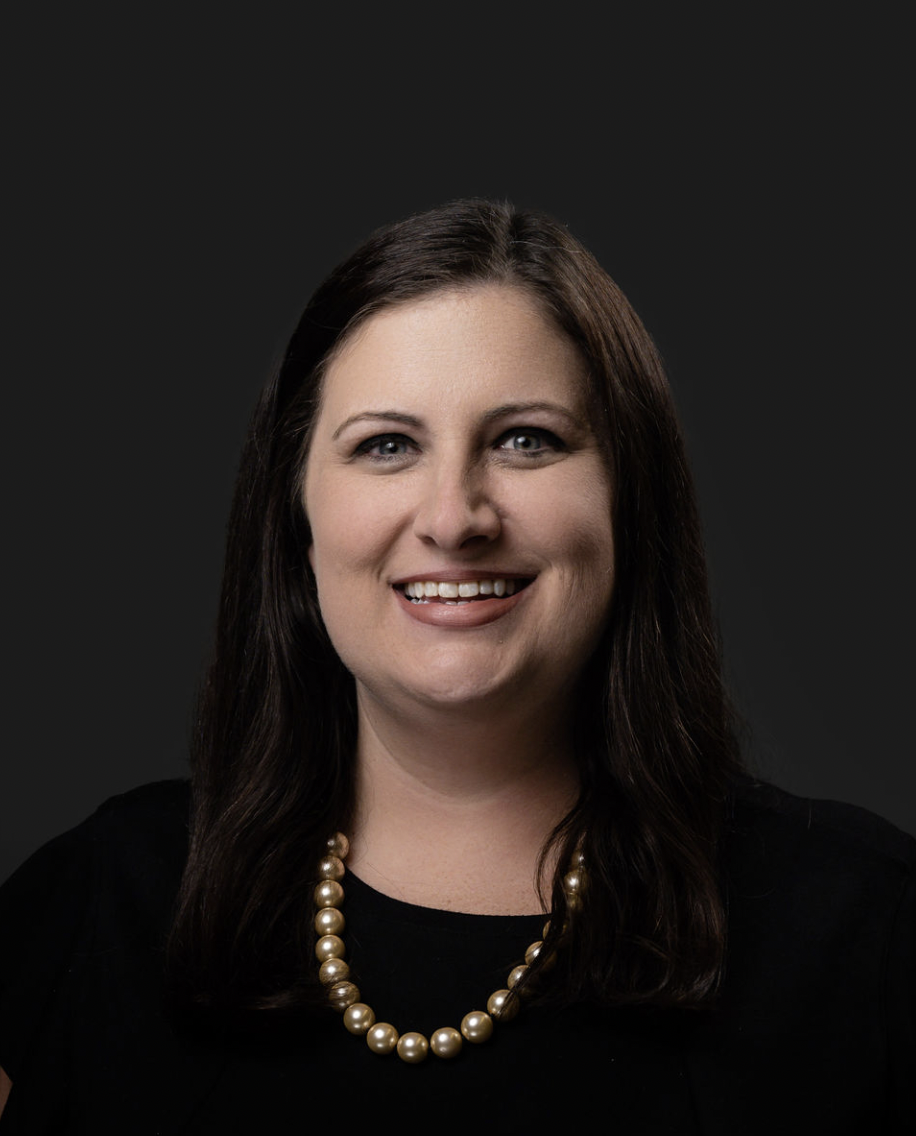
Lesley Banis is the current Vice President of Community Engagement at the Community Foundation of North Central Florida and holds a certified fundraising executive (CFRE) certificate. She is also a Certified Board Source Trainer specializing in nonprofit board governance and fundraising.
Editor’s note: This is the latest in a series of philanthropy columns sponsored by Community Foundation of North Central Florida.
Suggested Articles
No related articles found.