



- Alachua County experienced a record cold snap with temperatures dropping to 20°F on Feb. 1, the coldest Feb. 1 in Gainesville history.
- Gainesville Regional Utilities received over 500 calls about ruptured water pipes and reached a peak electricity output of 383 megawatts on Monday.
- Energy demand surged statewide causing a shortage and risk of power outages due to heating systems using up to three times more electricity than air conditioning.
- Residents and officials in Newberry urged energy conservation during peak hours to avoid outages and reduced city services temporarily to conserve power.
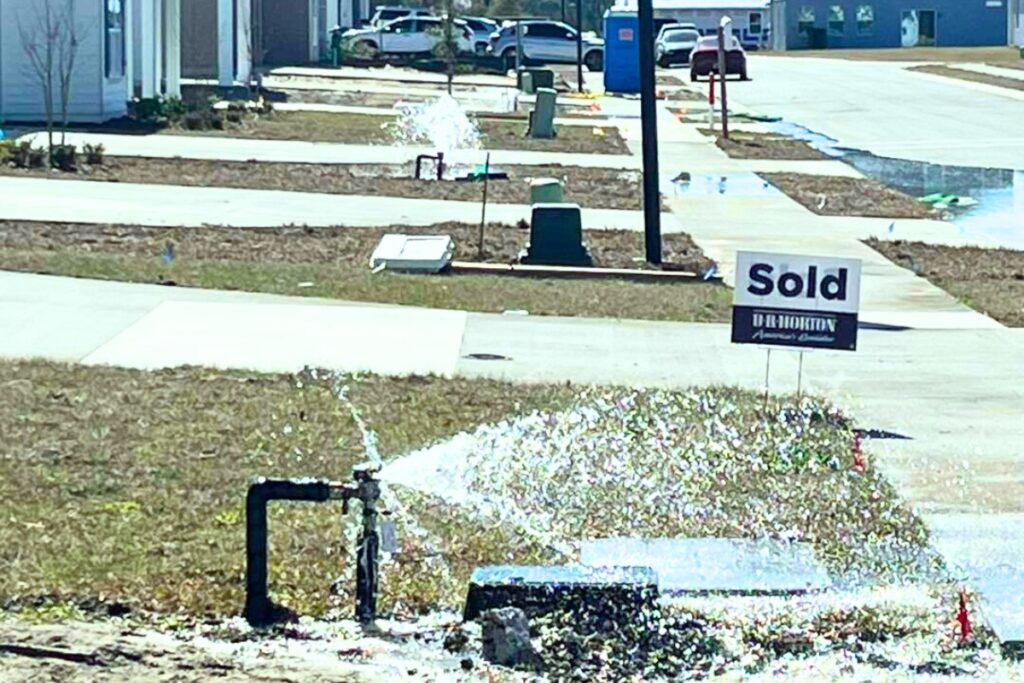
Local utility crews braved a record-breaking cold snap over the weekend to fix broken water pipes and keep electricity flowing across Alachua County as the entire state hunkered down for some of the chilliest temperatures in Florida history.
Reports of snow flurry sightings sprinkled across the area as Sunday proved to be the coldest Feb. 1 in Gainesville history, plunging to 20 degrees Fahrenheit.
Gainesville Regional Utilities (GRU) spokesperson David Warm told Mainstreet that the utility had received more than 500 phone calls over the past few days, with nearly all from customers with ruptured pipes.
On Monday morning, Warm said GRU hit a peak electricity output of 383 megawatts — 41% higher than the 270-megawatt peak for December 2025.
According to Florida Power & Light Company, local outages may still occur through the week because heating systems use up to three times more electricity than air conditioning. Increased electricity use can overload neighborhood equipment—similar to a breaker tripping at home—even with sufficient power, the company said.
“We expect the calls to keep coming in as long as we are in an overnight-freeze and afternoon-thaw cycle,” he said in an email. “We are fully staffed and have been working around the clock to make sure our systems are working efficiently.”
High Springs spokesperson Kevin Mangan said firefighters from the High Springs Fire Department and public works crews responded to a handful of calls for burst water pipes starting Sunday.
Newberry City Manager Jordan Marlowe said the freeze also ruptured numerous pipes in the city, with utility crews venturing out into the cold as early as 4:30 a.m. to fix them. He said he hadn’t seen temperatures like this past weekend in over 15 years.
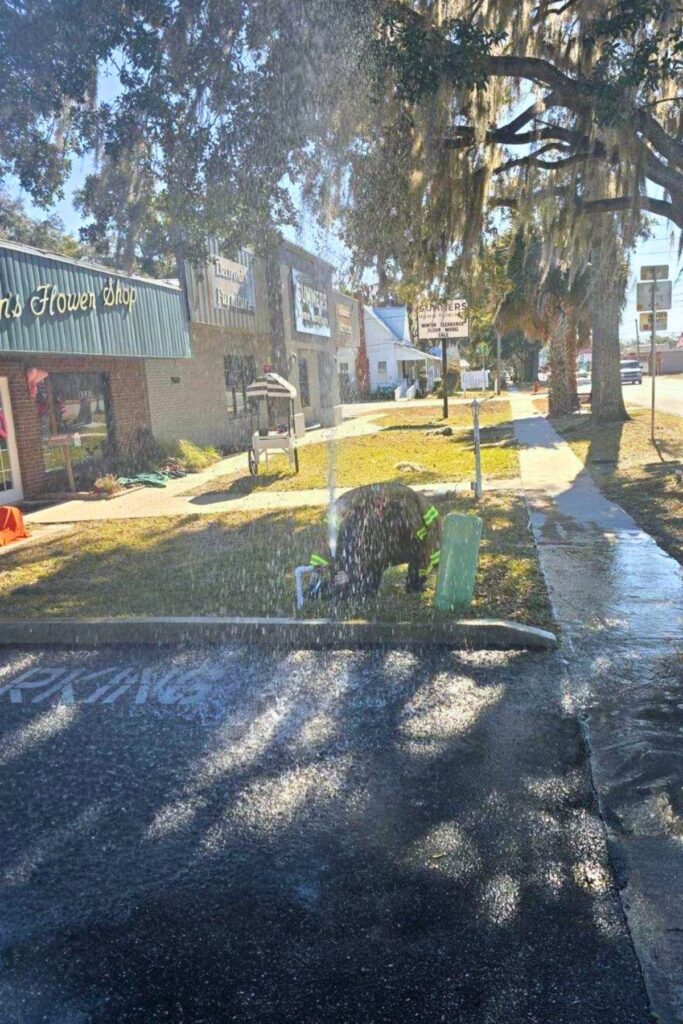
While burst pipe emergencies are baked into the city’s budget, Marlowe said it could cost between $400 and $700 for a resident to hire someone to fix it.
Alachua County remains under a freeze warning for Monday night, with temperatures expected to drop to 24 degrees.
“This feels like winter Hurricane mode or something,” said Newberry Mayor Tim Marden in a Facebook post on Monday.
Newberry started posting winter storm alerts to Facebook on Jan. 29 and encouraged residents to conserve electricity during peak usage hours Sunday and Monday, between 6 and 9 a.m. and 6 and 9 p.m.
Initially, Marlowe said the conservation efforts weren’t aimed so much at avoiding power outages as curbing peak demand pricing, the time when a collective surge in utility usage across the city spikes everyone’s bill next month.
But with energy units for power companies across the state failing, Marlowe said officials are now concerned about outages as the cold temperatures are expected to persist into Tuesday.
He said the state has asked Newberry to continue conserving as much energy as possible from 7 to 10 p.m. on Monday. The community has already started taking the effort by the horns.
On Friday, resident Matt Hogsed donated a box of pipe insulation for anyone to use. According to Facebook, Bravo Supermarket, Watson Construction Company, Southern Fuelwood, Inc., and Newberry’s city buildings temporarily switched to generators in an effort to conserve energy.
Marlowe said the city’s investment in solar energy was paying off and that city offices that closed through half of Monday to help conserve energy have reopened. Residents have a new Feb. 4 deadline for bill payments.
“Whatever we can do collectively together, not only will that help keep us out of that peak demand pricing, but hopefully now it will also help us continue to provide you energy all through the night,” Marlowe said. “Much better to have a house that is 68 degrees, a little chilly with a blanket and extra clothing, than have no power at all.”
Marlowe said the freeze created a statewide energy shortage.
Had the temperatures been regional, the colder region could’ve bought energy from a warmer one. Now that the whole state is frozen at one time, Marlowe said companies aren’t willing to sell their surplus because they don’t have any.
But instead of raising rates to build multi-million-dollar energy facilities that get used only a few days out of the year, Marlowe said it’s better to find a balance with the current grid by each neighbor doing their part to conserve energy when rare freezes come.
“Do you want government to spend, overspend, so that even for the very, very rare peaks, you still have no worries?” Marlowe said. “Or do you want to find the balance? Because we can build lots of power grid systems across the state, but you don’t really need all those.”
The following tips can be used to prepare for the next freeze, like Monday night.
- Prevent frozen pipes by wrapping exposed plumbing with a blanket or insulation or allowing faucets to drip slowly.
- Avoid cranking and adjusting the thermostat, give it time—set it a few degrees below your normal setting and let it run without constant adjustments.
- Replace or clean your air filter, keep vents open and clear to improve airflow and efficiency.
- Wear layers, hats, gloves and warm footwear.
- Bring pets and plants indoors while ensuring livestock have access to shelter, extra feed and unfrozen water.
- Check on the elderly and those who are sensitive to the cold.
- Keep space heaters at least three feet from anything flammable and avoid plugging them into power strips.
- Avoid charging electric vehicles and using big appliances during peak energy use hours (6-9 a.m.).
The U.S. National Weather Service in Jacksonville encourages residents to remember the following four Ps for cold weather:
- PEOPLE: Check on neighbors and the elderly.
- PETS: Bring them inside!
- PLANTS: Cover sensitive vegetation or move it indoors.
- PIPES: Wrap outdoor pipes and let your indoor faucets drip.
“Remember, if it’s cold enough to cover your plants, please cover your pipes also,” Marlowe said.
—With reporting from Seth Johnson.
Suggested Articles
No related articles found.